422 Oak Avenue, Sulphur Springs, Tx 75482

When Is Removing Wisdom Teeth Actually Necessary?
Have you felt that nagging ache in the back of your mouth lately? Or noticed your bite shifting just a bit? These subtle hints often signal the arrival of wisdom teeth, those late-blooming molars that can stir up trouble. As a dental expert with years of guiding patients through oral health decisions, I know the uncertainty around them can be overwhelming. But here’s the good news: not every wisdom tooth spells disaster. In this post, we’ll dive into the real story behind these enigmatic teeth. You’ll walk away with clear insights to ease your mind and empower your next check-up. Let’s uncover the facts together and keep your smile thriving.
Understanding Wisdom Teeth: The Basics
Wisdom teeth, or third molars, typically emerge between ages 17 and 25. They earned their name from the idea that they appear when you’re “wiser” with age. But evolution hasn’t kept pace with our smaller jaws. Most adults have four, yet space is often tight.
These molars can erupt straight and healthy. Or they might tilt, crowd neighbors, or stay trapped under gums. Impacted wisdom teeth happen when they can’t break through fully. This leads to partial emergence, inviting bacteria and inflammation. Early X-rays spot these issues before pain hits.
Think of your mouth as a parking lot. Wisdom teeth are the oversized trucks squeezing in last. If there’s no spot, they bump everything out of alignment. Regular dental visits catch this early. Brushing reaches them, but flossing? That’s trickier in tight quarters.
Common Signs It’s Time for Action
Pain doesn’t lie. If your jaw throbs near the back, especially when chewing, that’s a red flag. Swelling or tenderness around the gums often follows. You might taste blood or spot pus—clear infection signs.
Crowding sneaks up, too. Do straight teeth suddenly overlap? Blame emerging wisdom teeth pushing forward. This undoes orthodontic work fast. Bad breath lingers despite brushing. Why? Food traps in hard-to-reach pockets, breeding bacteria.
Jaw stiffness limits opening wide. Or cysts form around impacted roots, eroding bone silently. These symptoms scream for evaluation. Ignore them, and risks climb. Delaying invites decay in adjacent teeth or gum disease spread.
One patient shared, “I thought it was just stress until my dentist showed the X-ray. Removing them changed everything.” Spot these cues? Schedule that exam.
When Extraction Makes Sense: Key Scenarios
Not all wisdom teeth need removal. If they align well, function normally, and clean easily, monitoring suffices. But certain cases demand removal.
Impaction tops the list. Fully or partially trapped teeth cause 72% of issues in young adults. Horizontal growth damages neighbors. Vertical ones pierce sinuses, sparking headaches.
Infections like pericoronitis flare often. Gums swell, trap debris, and resist antibiotics. Recurrent bouts? Extraction prevents spread.
Orthodontic plans factor in too. Emerging wisdom teeth derail braces. Preemptive removal creates space. Teens fare best—roots form less, healing quickens.
Cysts or tumors, though rare (under 3%), grow destructively. X-rays reveal them early. In Sulphur Springs, TX, wisdom teeth extractions address these precisely, using local expertise for smooth outcomes.
Pro tip: Act in your late teens. Bones soften, nerves dodge more easily. Post-25? Complications rise slightly.
| Wisdom Teeth Complications Stats | Percentage/Incidence |
|---|---|
| Impacted wisdom teeth in adults 20-30 | 72% |
| Pathological issues in impacted teeth | 12% |
| Annual U.S. extractions | 10 million |
| Nerve damage risk (temporary) | 1 in 85 cases |
| Cysts/tumors in impacted teeth | 2.7% |
This table highlights why proactive care matters. Data from reliable studies show patterns. Use it to discuss with your dentist.
The Extraction Process: What to Expect
Curious about the procedure? It starts with a consult. X-rays map tooth position. We discuss anesthesia—local numbs, sedation calms nerves.
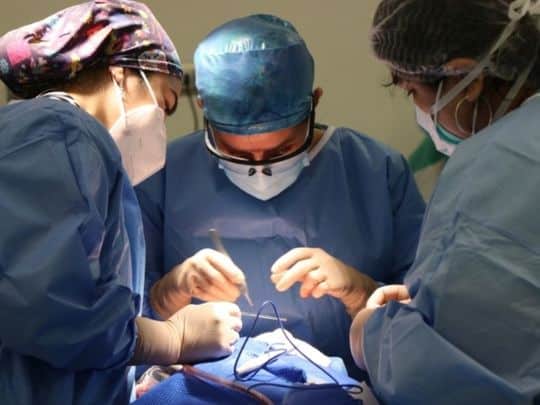
Surgery lasts 30-60 minutes. Incisions expose impacted teeth. Bone trims if needed. Teeth come out whole or sectioned. Stitches close sites. Most go home same day.
Recovery? Ice swelling first 24 hours. Soft foods like yogurt soothe. Rinse gently with salt water after day one. Avoid straws—suction risks dry socket.
Pain peaks day three, then fades. Over-the-counter meds help. Full healing? Two weeks. Follow-ups ensure smooth sailing.
Patients rave, “It was easier than expected. Back to work in days.” Preparation eases fears.
Trending FAQs on Wisdom Teeth Removal
Based on what folks search most, here are the top questions with straightforward answers. These tackle everyday worries.
- Is wisdom teeth removal necessary if there’s no pain? Not always, but X-rays might show impaction risks. Monitoring prevents future cysts or crowding. Consult for personalized advice.
- What is the best age for wisdom teeth removal? Late teens to early 20s. Roots develop less, and recovery speeds up. Delaying past 25 raises complication odds slightly.
- How long does recovery take after wisdom teeth extraction? Swelling subsides in 3-5 days. Full healing in 1-2 weeks. Stick to soft foods and rest for the best results.
- Can I drive home after wisdom teeth surgery? No, if sedated. Arrange a ride. Local anesthesia alone? Often yes, but confirm with your provider.
- What happens if I don’t remove my wisdom teeth? They might stay fine. But risks include infection, decay, or shifting teeth. Regular check-ups track changes.
These FAQs mirror real searches. They cut through myths, offering clarity.
Debunking Myths: Not Every Case Needs Surgery
Myth one: All wisdom teeth must go. Wrong. Only problematic ones do. Asymptomatic? Watch and wait works.
Myth two: Removal always hurts badly. Modern techniques minimize discomfort. Sedation options abound.
Myth three: It’s just for kids. Adults succeed too, though younger people heal faster.
Knowledge dispels fear. Arm yourself with facts for confident choices.
If you are searching for a dentist in Sulphur Springs, TX, look for pros skilled in oral surgery. Local experts use advanced imaging for precise plans. They prioritize comfort, from consult to follow-up. Your smile deserves that care.
Wisdom teeth don’t define your dental destiny. Armed with signs, stats, and steps, you’re ready to decide wisely. Remember, proactive chats with your dentist prevent bigger headaches. A healthy mouth boosts confidence daily. Questions linger? Reach out—your journey to ease starts now.
Ready to chat about your wisdom teeth? Call 903-885-8906 to schedule an appointment today. Let’s keep that grin glowing.