422 Oak Avenue, Sulphur Springs, Tx 75482

Is Invisalign Suitable for Complex Orthodontic Cases?
Straightening your teeth shouldn’t feel like solving a puzzle with missing pieces. Many folks dream of a confident smile but worry about tricky tooth alignments or bite problems. If you’ve got overcrowded teeth or a stubborn overbite, you’re not alone. Clear aligners like Invisalign offer a discreet path forward. Yet, the big question lingers: can they handle the heavy lifting? Let’s dive in. We’ll unpack what makes a case “complex,” spotlight Invisalign’s strengths, and share straight talk on when it shines—or steps aside. By the end, you’ll feel clearer on your options and ready to take that next step toward a straighter grin.
What Counts as a Complex Orthodontic Case?
Complex cases go beyond simple tweaks. Think severe crowding where teeth overlap like a jumbled deck of cards. Or deep overbites that make your front teeth hide behind the lowers. Underbites flip that script, pushing the jaw forward. Crossbites twist things sideways, while open bites leave a gap even when jaws meet.
These issues often stem from genetics, habits like thumb-sucking, or early tooth loss. They don’t just affect looks. Misaligned bites strain jaws, leading to TMJ discomfort or uneven wear on enamel. Early detection helps. Orthodontists assess via X-rays and 3D scans to map the full picture. Spotting these early means targeted fixes. For adults, work and life add layers—maybe shifted teeth from grinding or past extractions. No two smiles are alike. That’s why personalized plans rule.
How Invisalign Tackles Tooth Alignment
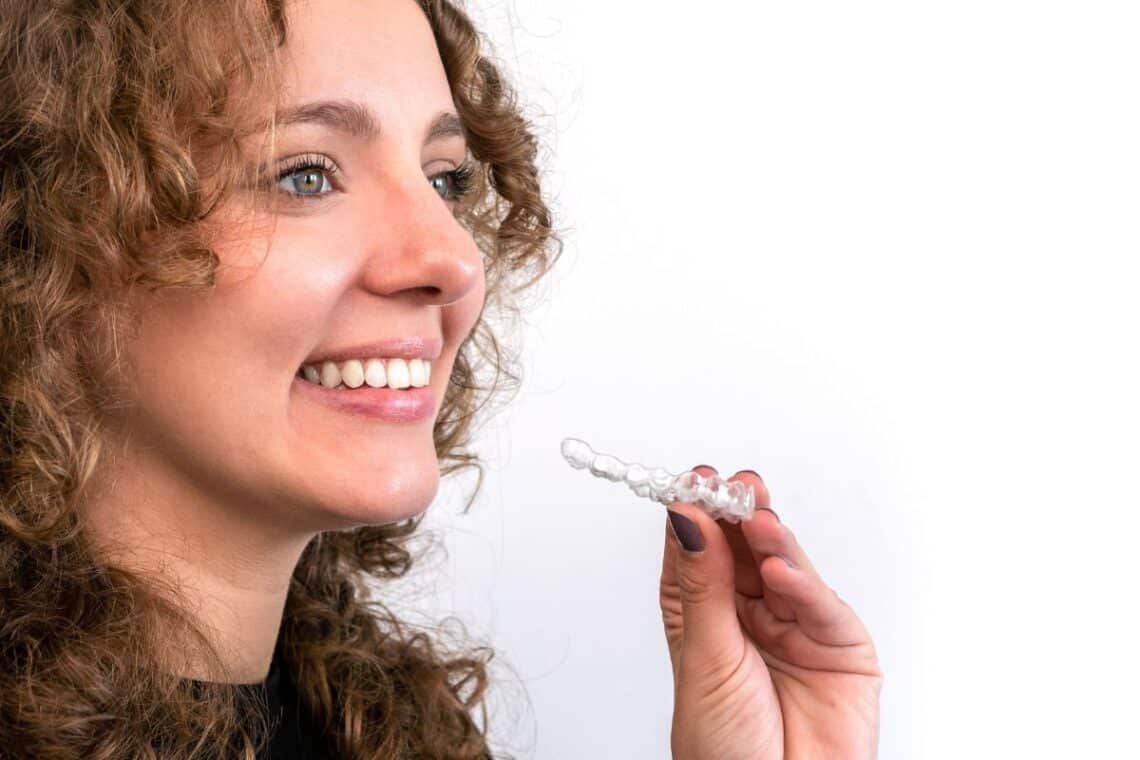
Invisalign uses custom-molded trays to nudge teeth gently. Each set applies light pressure, shifting roots and crowns over time. Software predicts every move, like a digital roadmap for your mouth. Attachments—small tooth-colored bumps—boost grip for rotations or extrusions.
For mild shifts, it’s a breeze. But tech upgrades, like SmartTrack material, make it tougher. This flexible plastic hugs curves better, speeding progress. Patients swap trays every week or two. Wear them 20-22 hours daily for best results. Brush and floss easily since they’re removable. Eat what you want without worry. It’s discreet too—no shiny wires catching eyes at meetings.
Benefits of Invisalign for Challenging Smiles
Even in tougher spots, Invisalign delivers. Severe crowding? Aligners create space by tipping teeth inward first, then uprighting them. Bite corrections follow suit. Overjets shrink as uppers retract. Studies show it rivals braces for many malocclusions.
Comfort wins big. No sore mouth from tightenings. Predictability soars with digital planning—fewer surprises mid-treatment. Teens love the freedom; adults appreciate the low-key vibe. Compliance matters, though. Skip wear time, and results lag. Pair it with elastics for extra pull on bites. Local experts craft plans that fit lifestyles. Take, for instance, the Invisalign procedure in Sulphur Springs, TX, where tailored scans ensure precise fits for busy schedules and unique needs.
When Invisalign Hits Its Limits
Not every puzzle fits one tool. Invisalign shines for 80-90% of cases overall. But ultra-severe rotations—say, 45 degrees or more—might need braces’ constant force. Vertical control, like closing gummy smiles, can falter without hybrid setups. Jaw surgeries for skeletal issues? Aligners prep but don’t solo.
Patient factors play in. Strong habits help. If grinding persists, trays wear faster. Orthodontists monitor closely. Hybrid approaches blend aligners with short brace phases. This combo handles the hard parts. Always consult pros. They weigh your bite, health, and goals. Rushing decisions risks refinements later.
Real Stats: Invisalign vs. Traditional Braces
Numbers don’t lie. Here’s a quick snapshot of how Invisalign stacks up, pulled from clinical reviews. These highlight success in various scenarios, focusing on alignment accuracy and patient outcomes.
| Aspect | Invisalign Success Rate | Braces Success Rate | Notes on Complex Cases |
|---|---|---|---|
| Mild to Moderate Crowding | 95% | 97% | Aligners excel in comfort. |
| Severe Bite Corrections | 75-85% | 90% | Attachments boost aligner precision. |
| Overall Tooth Movement | 88% | 90% | Digital planning evens the score. |
| Patient Satisfaction | 92% | 85% | Removability drives higher joy. |
Data shows close races, with Invisalign edging in ease. For complex bites, expect 70-80% spot-on results when guided right. These stats underscore why expert input seals the deal.
Trending FAQs on Invisalign for Complex Cases
Curious minds search these often. We’ve rounded up top Google queries with crisp answers. These tackle real worries head-on.
- Can Invisalign fix severe overcrowding? Yes, for most. Aligners expand arches gradually. Severe cases may add expansions first. Results match braces in 85% of trials.
- Is Invisalign good for overbites or underbites? Absolutely, with bite ramps and elastics. It corrects 70-80% of moderate overbites. Deeper ones might hybrid with braces.
- How long does Invisalign take for complex issues? 18-24 months typically. Factors like compliance and severity tweak it. Track progress with apps for motivation.
- What if my case is too severe for Invisalign? Pros assess via scans. Braces or surgery prep could step in. No shame—it’s about the best fit for your smile.
- Do attachments make Invisalign less invisible? Barely. They’re tiny and clear. Most folks notice zero difference up close.
These insights ease doubts. Knowledge empowers choices.
Making the Right Choice for Your Smile
You’ve got options. Weigh pros like discretion against needs for robust control. Chat with specialists who know local nuances—think Texas heat testing tray durability. If you are searching for a dentist in Sulphur Springs, TX, look for those with Invisalign certifications and glowing reviews on bite fixes.
Complex doesn’t mean impossible. Advances keep pushing boundaries. Your journey starts with a scan and honest talk.
Ready for straighter teeth? Schedule an appointment today. That first step unlocks the smile you’ve earned. Let’s craft it together—one tray at a time.