422 Oak Avenue, Sulphur Springs, Tx 75482

How to Manage Bad Breath During Orthodontic Treatment?
Getting braces is a significant step toward achieving a perfect smile, but along the way, you might notice an issue that’s often linked to orthodontics—halitosis, or bad breath. While braces themselves aren’t the direct cause of bad breath, they can contribute to it. Understanding why this happens and how to manage it can help keep your smile and breath fresh.
What is Halitosis?
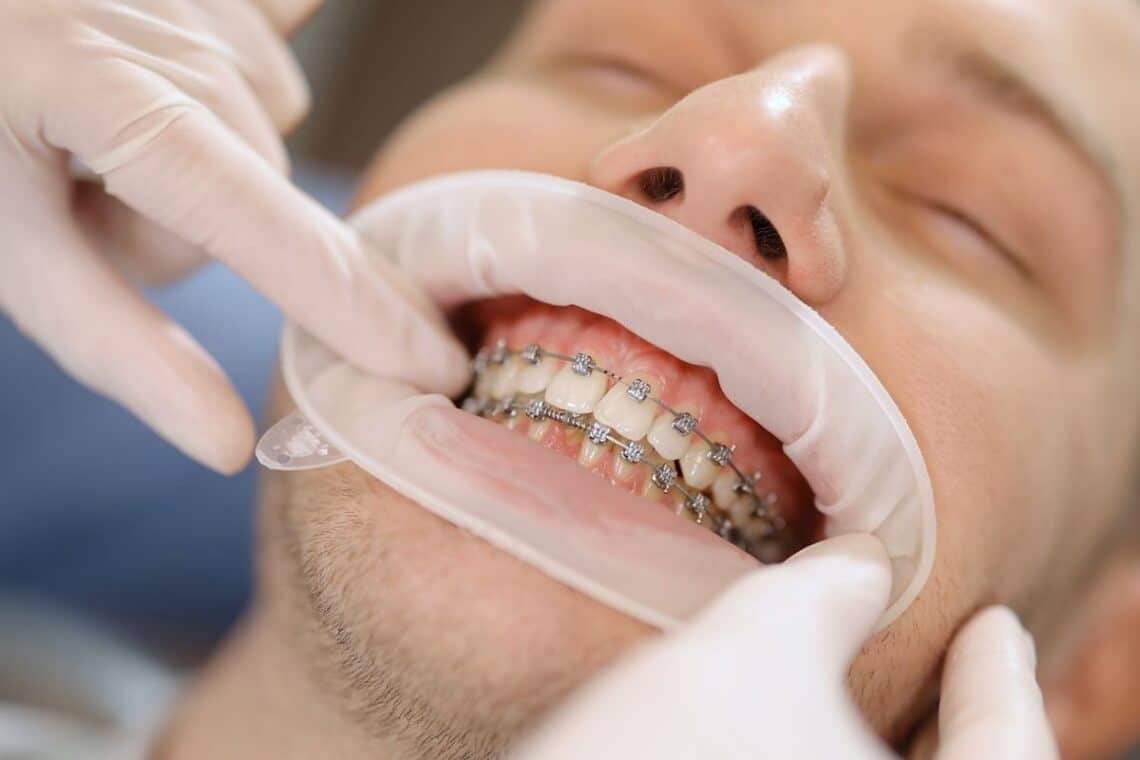
Halitosis is the technical term for chronic bad breath. It’s often caused by bacteria in the mouth that produce sulfur compounds, leading to unpleasant odors. While many things can cause bad breath, braces often lead to it due to trapped food and plaque buildup around the brackets and wires. Fortunately, bad breath from braces is manageable with proper care.
Why Do Braces Contribute to Halitosis?
There are several reasons why braces can lead to bad breath. Here are five common contributors:
1. Trapped Food Particles:
Braces have many places for food particles to hide, including around the brackets, wires, and bands. When food gets trapped and isn’t properly cleaned, it allows bacteria to thrive and cause bad breath.
2. Plaque Build-Up:
Plaque is a sticky film of bacteria that forms on your teeth. Braces make it harder to clean your teeth properly, leading to plaque accumulation. If not removed, plaque can result in bad breath and other dental problems.
3. Difficulty in Cleaning:
Brushing and flossing with braces is more challenging. While oral hygiene is essential, cleaning around the wires and brackets takes extra effort. Failing to clean thoroughly can lead to bad breath.
4. Dry Mouth:
Braces can sometimes affect saliva production, which is essential for keeping the mouth moist and free from bacteria. A dry mouth can make halitosis worse by allowing bacteria to grow unchecked.
5. Gum Inflammation:
Braces can sometimes cause gum inflammation, or gingivitis. If left untreated, it can lead to bad breath and other gum issues.
How to Prevent Halitosis While Wearing Braces
Now that we know why braces can contribute to bad breath, let’s explore how to prevent halitosis. Here are five effective strategies:
1. Brush and Floss Regularly:
The best way to prevent bad breath is by brushing after every meal. Use a soft-bristled toothbrush and an orthodontic brush to clean your brackets and wires. Also, floss with an orthodontic threader to clean between your teeth and wires.
2. Use Mouthwash:
Antimicrobial mouthwash can help reduce bacteria and neutralize odors. Choose a mouthwash designed for braces wearers to ensure it’s gentle yet effective.
3. Stay Hydrated:
Drinking plenty of water throughout the day will help keep your mouth moist and reduce bacteria buildup. Water also helps rinse away food particles, reducing bad breath.
4. Clean Your Orthodontic Appliances:
Make sure to clean any additional appliances like retainers or spacers. Regular cleaning prevents bacteria buildup, which can contribute to bad breath.
5. Avoid Odor-Causing Foods:
Certain foods like garlic, onions, and spicy dishes can worsen bad breath. Limiting these foods can help you maintain fresher breath throughout the day.
When Should You See a Dentist?
If bad breath persists despite maintaining a good oral hygiene routine, it may be time to see a dentist. An orthodontist in Sulphur Springs can assess your oral health and address any underlying issues. If you’re experiencing gum issues or discomfort with your braces, professional care can help.
While braces can contribute to halitosis, following a proper oral hygiene routine can minimize bad breath and keep your mouth healthy throughout orthodontic treatment. By brushing, flossing, staying hydrated, and having regular checkups with your orthodontist, you’ll keep your teeth clean and your breath fresh.
If bad breath persists, don’t hesitate to reach out to a dentist near you for personalized care. With the right approach, you’ll have a brighter smile and fresh breath in no time!