422 Oak Avenue, Sulphur Springs, Tx 75482

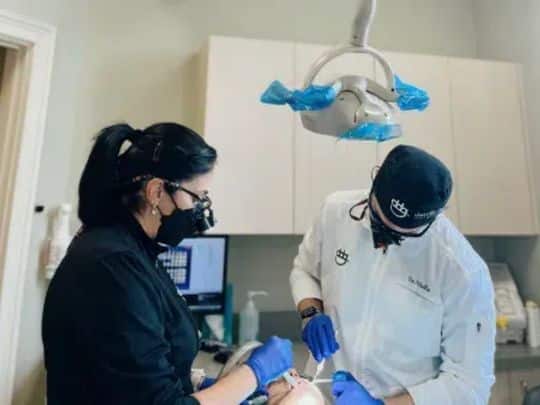
How Can a Periodontist Help Save a Loose Tooth?
Imagine biting into your favorite meal and feeling a wobble that stops you cold. That subtle shift in one tooth can spark worry, especially when you realize it’s not a childhood milestone. Loose teeth in adults often hint at deeper issues, but here’s the good news: they’re not always a lost cause. With timely care from the right specialist, you can reclaim stability and confidence. Let’s dive into why this happens and how professional intervention turns the tide, empowering you to take charge of your oral health right away.
Understanding Loose Teeth in Adults
Loose teeth grab attention because they’re rare in grown-ups. Unlike kids’ wiggly baby teeth, adult versions signal support structures failing. The periodontal ligament, that tough fiber holding your tooth to the jawbone, weakens under stress. This isn’t just uncomfortable—it’s a red flag for bigger problems.
Common signs include slight movement when chewing or brushing. You might notice gaps widening between teeth or gums pulling away. Early detection matters. Ignoring it lets bacteria thrive, worsening damage. Think of it as a chain reaction: one loose spot strains neighbors, risking a cascade of issues. But spotting it early? That’s your edge for reversal.
Common Causes of Tooth Looseness
Several culprits lurk behind a loose tooth. Gum disease, or periodontitis, tops the list. Plaque buildup irritates gums, forming deep pockets where bacteria hide. Over time, this erodes bone and tissue, loosening roots.
Trauma plays a role too. A sports hit or fall can jar the tooth, stretching ligaments. Bruxism—nighttime grinding—wears down the support gradually. Even hormonal shifts, like during pregnancy, temporarily soften tissues. Osteoporosis thins jawbone, adding vulnerability. Each cause demands a tailored fix, but all underscore one truth: prompt action preserves your natural bite.
The Role of a Periodontist
A periodontist steps in as the gum expert. Trained beyond general dentists, they focus on tissues cradling your teeth. Their skills shine in spotting subtle shifts others miss. From X-rays revealing bone loss to probes measuring pocket depths, they map the problem precisely.
What sets them apart? Advanced tools and techniques. They don’t just treat symptoms—they target roots, like infection or inflammation. A periodontal specialist in Sulphur Springs, TX, brings local insight, understanding community habits that fuel risks. Their goal? Stabilize and strengthen, often saving teeth that general care can’t.
Diagnostic Steps for Loose Teeth
Diagnosis starts simple yet thorough. Your visit begins with a chat about habits—brushing routine, diet, and recent injuries. The specialist examines visually: red, swollen gums? Receding lines? Then comes probing. A slim tool gently measures gaps around teeth, gauging attachment loss.
X-rays follow, unveiling hidden bone erosion. Sometimes, models of your bite reveal grinding wear. This isn’t guesswork—it’s data-driven. Armed with facts, they craft a plan. You’ll leave knowing exactly what’s loose and why, easing that knot of uncertainty.
Treatment Options to Stabilize Teeth
Saving a loose tooth hinges on cause and severity. For mild gum issues, scaling and root planing clear debris below the line. This deep clean reduces inflammation, letting tissues reattach. Antibiotics might be added if the infection lingers.
Splinting offers quick relief. The tooth bonds to stable neighbors via wire or composite, sharing bite forces. It’s like a team huddle—stronger together. Bone grafting rebuilds lost structure using synthetic or donor material, fostering regrowth.
Advanced cases? Flap surgery lifts gums for thorough cleaning, then sutures them snug. Laser therapy, like LANAP, zaps bacteria precisely, promoting healing with less downtime. Each option aims to halt progress, restoring firmness.
| Gum Disease Stats and Tooth Loss Impact | Value | Source Insight |
|---|---|---|
| Adults with some periodontal disease | 42% | CDC/NIDCR data shows widespread risk |
| Severe periodontitis prevalence | 11% | Affects bone support in 1 in 9 adults |
| Leading cause of adult tooth loss | 70% | Periodontitis drives most extractions |
| Smokers with gum disease | 60%+ | Tobacco triples progression speed |
| Global complete tooth loss (age 20+) | 7% | WHO estimates highlight prevention needs |
These numbers paint a clear picture: gum disease fuels loss, but intervention flips the script.
Home Care Tips to Support Healing
Treatment pairs best with daily habits. Brush twice daily with a soft brush, angling 45 degrees to gums. Floss nightly to banish hidden plaque. Rinse with antimicrobial mouthwash for extra defense.
Diet tweaks help too. Crunch fiber-rich veggies to massage gums. Limit sugars that feed bacteria. Quit smoking—it starves tissues of oxygen. Track progress: note less bleeding? Firmer feel? These wins motivate. Consistency builds resilience, complementing pro care.
Periodontal splinting for Quick Stability
When looseness disrupts daily life, periodontal splinting shines as a bridge to healing. This non-invasive fix links the wobbly tooth to sturdy ones, distributing pressure evenly. Materials like fiber-reinforced composites blend seamlessly, lasting years with upkeep.
It’s ideal for post-trauma or early disease. Patients often feel relief immediately—no more dodging chewy foods. Pair it with cleanings for lasting hold. This technique embodies proactive care, buying time for regeneration.
Prevention Strategies for Long-Term Health
Prevention beats cure every time. Schedule biannual checkups to catch whispers of trouble. Master technique: electric brushes reach deeper. Chew sugar-free gum to boost saliva’s natural rinse.
Manage stress—grinding spikes with tension. Protective mouthguards safeguard athletes. For diabetics, tight blood sugar control curbs risks. These steps weave a safety net, keeping teeth firmly rooted.
Trending FAQs on Loose Teeth and Periodontist Care
Based on common Google searches, here are key questions with straightforward answers:
- Why is my permanent tooth loose as an adult? It often stems from gum disease eroding support or injury jarring ligaments. Early checks prevent worsening.
- Can a loose tooth be tightened? Yes, through cleaning, splinting, or grafting. Success rates climb with quick action—up to 80% stabilization.
- How long does it take for a loose tooth to fall out if untreated? Weeks to months, depending on damage. But don’t wait—intervention often saves it.
- What does a periodontist do for loose teeth? They diagnose via exams and X-rays, then apply targeted therapies like deep scaling or surgery.
- Is a loose tooth always a sign of gum disease? No, trauma or grinding can cause it too. A full eval pins the culprit.
When to Seek Immediate Help
Spot pus, severe pain, or shifting bite? Head in ASAP. Fever or swelling signals infection spreading. Delaying risks neighbors toppling. Trust your gut—if it feels off, it is.
If you are searching for a periodontist near you, start with a trusted local pro who listens and explains clearly.
Loose teeth don’t define your smile’s future. With a periodontist’s guidance—from deep cleans to innovative grafts—you regain control. Embrace these steps, and watch stability return. Your confident grin awaits. Ready to act? Call 903-885-8906 today to schedule an appointment and secure that firm bite.