422 Oak Avenue, Sulphur Springs, Tx 75482

Do Invisalign Aligners Cause Bad Breath?
Clear aligners have transformed smiles with their discreet design. But a common concern lingers: do Invisalign aligners cause bad breath? Let’s explore this topic with insights to keep your breath fresh and your confidence high.
Understanding Invisalign and Oral Health
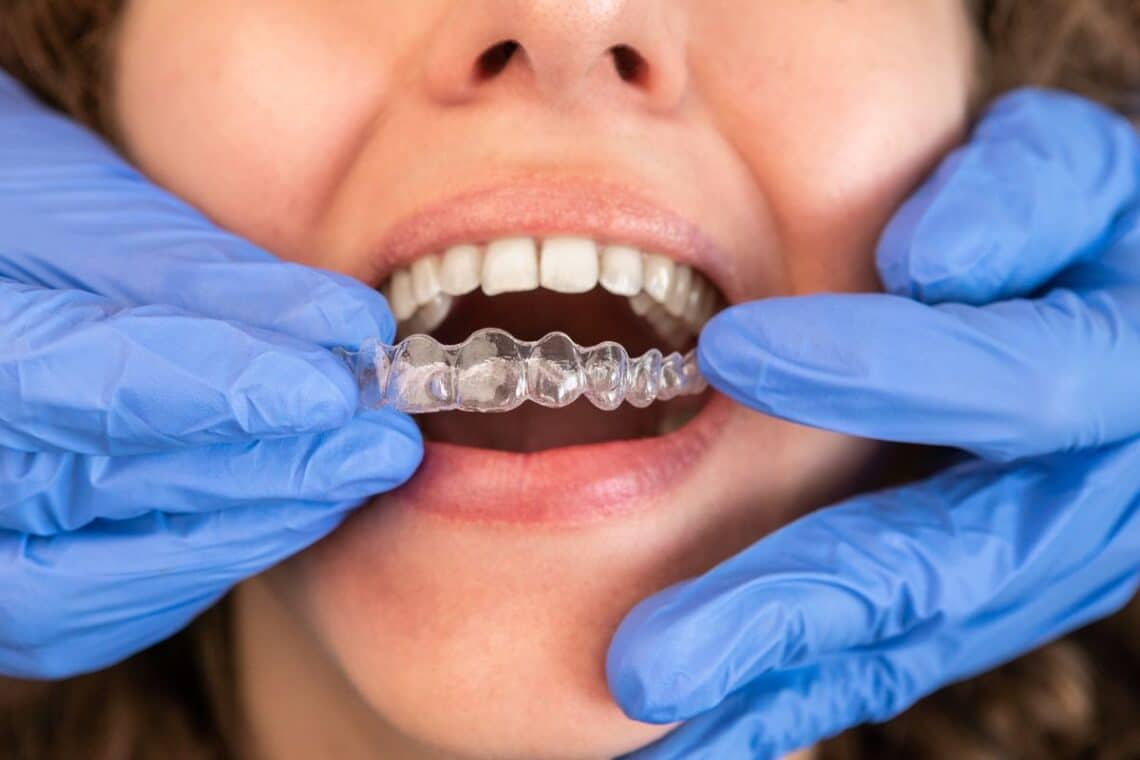
Invisalign aligners are removable trays that straighten teeth. Unlike braces, they’re easy to clean. But bad breath, or halitosis, can still arise. Why? It’s often tied to oral hygiene habits, not the aligners themselves.
Aligners trap saliva and bacteria if not cleaned properly. Food particles can also linger, creating an environment for odor-causing bacteria. Maintaining a solid oral care routine is key to preventing this.
Why Bad Breath Might Happen with Invisalign
Several factors can contribute to bad breath during Invisalign treatment:
Poor Aligner Hygiene
Dirty aligners are a breeding ground for bacteria. If you skip cleaning them, plaque and food debris build up. This leads to unpleasant odors. Rinse and brush your aligners daily to keep them fresh.
Infrequent Oral Cleaning
Brushing and flossing are crucial. Food trapped between teeth can cause bad breath, whether you wear aligners or not. Neglecting oral hygiene amplifies the issue.
Dry Mouth
Aligners can reduce saliva flow, especially if worn for long periods. Saliva washes away bacteria. A dry mouth creates a perfect setting for halitosis. Stay hydrated to combat this.
Diet Choices
Certain foods, like garlic or onions, cause lingering odors. These can get trapped in aligners, worsening bad breath. Avoid strong-smelling foods when possible.
For those seeking Invisalign in Sulphur Springs, TX, local dental experts can guide you on maintaining fresh breath throughout treatment.
The Link Between Invisalign and Gum Recession
Gum health is vital during orthodontic treatment. Some worry about invisalign and gum recession, as aligners apply pressure to teeth. However, Invisalign is designed to move teeth gently. Poor oral hygiene, not aligners, is the main culprit for gum issues. Brushing, flossing, and regular dental visits keep gums healthy and reduce risks.
How to Prevent Bad Breath with Invisalign
Keeping your breath fresh is simple with these tips:
Clean Aligners Thoroughly
Use a soft toothbrush and lukewarm water to clean aligners daily. Avoid hot water, as it can warp them. Soak aligners in a denture cleaner or Invisalign cleaning crystals weekly.
Maintain Oral Hygiene
Brush twice daily and floss once a day. Use an antimicrobial mouthwash to kill bacteria. This keeps your mouth and aligners odor-free.
Stay Hydrated
Drink plenty of water. It boosts saliva production and rinses away bacteria. Carry a water bottle to sip throughout the day.
Remove Aligners When Eating
Never eat with aligners in. Food particles can get trapped, leading to bad breath. Store aligners in their case during meals.
Visit Your Dentist Regularly
Routine checkups catch issues early. Your dentist can ensure your aligners fit well and your gums stay healthy.
Trending FAQs About Invisalign and Bad Breath
Here are answers to common questions people ask online:
- Do Invisalign aligners trap odors?
Aligners can trap odors if not cleaned regularly. Daily brushing and soaking prevent this. - Can Invisalign cause dry mouth?
Aligners may reduce saliva flow slightly. Drinking water and chewing sugar-free gum help. - How often should I clean my aligners?
Clean them at least twice daily. Rinse after removal and brush them gently. - Does Invisalign affect taste or smell?
Properly cleaned aligners don’t affect taste or smell. Poor hygiene can lead to odors. - Can I use mouthwash with Invisalign?
Yes, but remove aligners first. Mouthwash keeps your mouth fresh.
Additional Tips for Fresh Breath
Try these extra steps for confidence:
- Use a Tongue Scraper: Bacteria on your tongue can cause bad breath. Scrape it daily.
- Chew Sugar-Free Gum: It stimulates saliva and freshens breath. Remove aligners first.
- Avoid Smoking: Smoking worsens bad breath and stains aligners.
When to See a Dentist
Persistent bad breath may signal an issue. It could be gum disease, cavities, or ill-fitting aligners. Schedule a dental visit if:
- Bad breath doesn’t improve with good hygiene.
- Your gums are red, swollen, or bleeding.
- Aligners feel uncomfortable or loose.
Your dentist can adjust your treatment and address underlying problems.
Conclusion: Fresh Breath, Confident Smile
Invisalign aligners don’t inherently cause bad breath. With proper care, you can enjoy a fresh mouth and a straighter smile. Clean aligners daily, maintain oral hygiene, and stay hydrated. Regular dental visits ensure your treatment stays on track. Embrace these habits, and your confidence will shine through every smile.