422 Oak Avenue, Sulphur Springs, Tx 75482

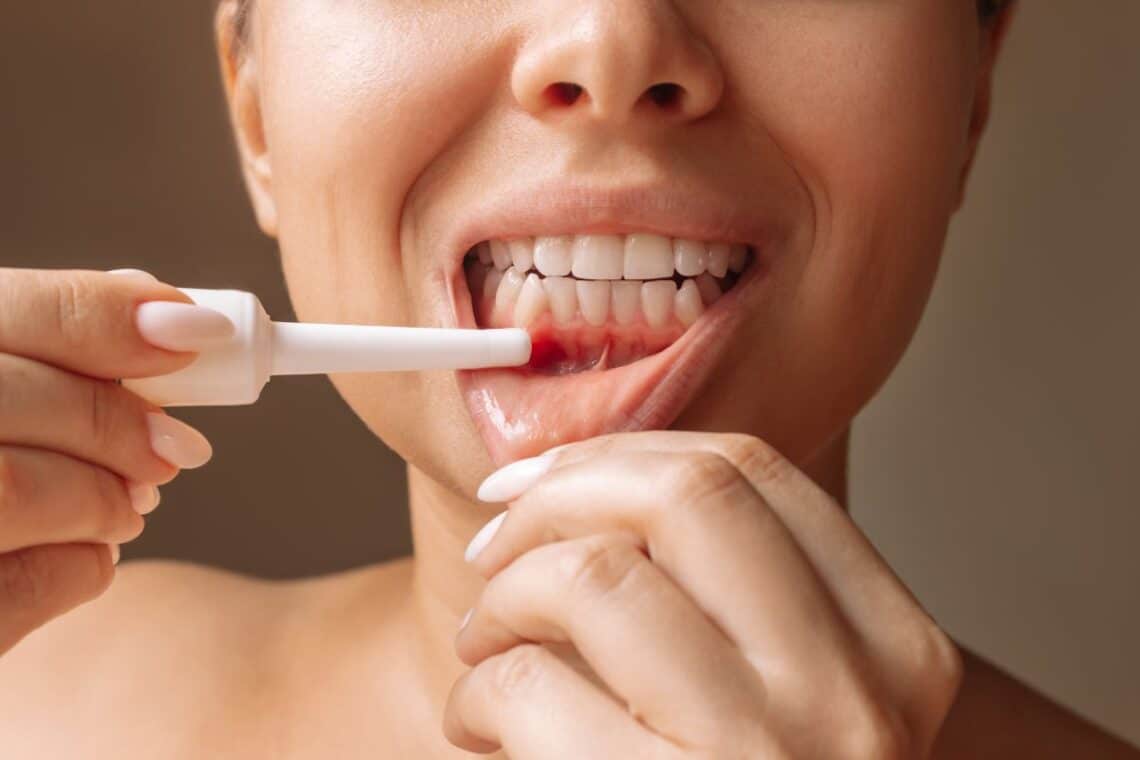
Do I Have Gum Disease and Not Even Know It? The Silent Signs
You brush your teeth and floss (when you remember), and your smile looks pretty healthy. So how could you possibly have gum disease? The truth is, gum disease—also called periodontal disease—can be surprisingly sneaky. You might not even notice anything is wrong until it’s advanced. That’s why understanding the early, silent signs is so important.
As a periodontal specialist in Sulphur Springs, we see this scenario more often than you might think. Patients come in thinking everything is fine, only to find out their gums have been silently inflamed or infected for months. Don’t worry—early action can make a big difference. Let’s explore the subtle signs and why they matter.
Bleeding Gums: A Commonly Ignored Sign
We’ve all brushed a little too hard and noticed a bit of blood now and then. But if your gums bleed regularly—especially when brushing or flossing—it’s not something to ignore. Bleeding is often the body’s way of saying, “Hey, something’s not right here!”
Chronic bleeding can be one of the earliest signs of gum disease, often triggered by plaque and tartar buildup irritating the gum line. Over time, this can lead to more serious damage if not treated.
Bad Breath That Won’t Go Away
Everyone has bad breath occasionally. But if yours seems to linger no matter how much you brush, floss, or rinse with mouthwash, it could be caused by bacteria hiding under your gums. This kind of bad breath isn’t solved with mints—it’s a warning sign of something deeper going on.
These bacteria release toxins that not only cause odor but can also damage the soft tissues and bones that support your teeth. That’s why persistent halitosis should never be dismissed.
Receding Gums or Longer-Looking Teeth
Have your teeth started to look longer lately? It’s not your imagination—it might be your gums pulling back. Gum recession can be a result of advanced gum disease. As your gums recede, they expose more of your tooth and even the root, leading to sensitivity, decay, and tooth instability.
This sign often goes unnoticed until discomfort sets in, but it’s one of the clearest indicators that your gum health needs attention.
Loose Teeth or a Shift in Your Bite
Do your teeth feel a bit loose when you eat or floss? Or maybe your bite feels different when you close your mouth? These changes might mean that the bone supporting your teeth is being affected by gum disease. Left untreated, this can eventually lead to tooth loss.
You might not associate a slightly shifting bite with gum disease, but it’s one of the more advanced signs that your oral foundation is weakening.
What You Can Do Right Now
If any of these signs sound familiar, it’s time to take a closer look at your gum health. Don’t wait until pain or tooth loss forces you into urgent treatment. Visiting a periodontal specialist in Sulphur Springs can help detect gum disease early and put you on the path to healthier gums and teeth.
Gum disease is more common—and more silent—than most people realize. But by recognizing the early signs, you can take action before it becomes a bigger issue. If you’ve noticed bleeding gums, persistent bad breath, or other subtle changes in your mouth, don’t wait. It’s always better to check than to guess.If you’re unsure about your gum health or have questions, contact us today to schedule a comprehensive periodontal evaluation. A healthier smile might be closer than you think.