422 Oak Avenue, Sulphur Springs, Tx 75482

Can I Get a Toothache After a Root Canal?
Undergoing root canal therapy in Sulphur Springs can be a game changer for relieving tooth pain and preventing further damage. However, some patients might still experience discomfort after the procedure, raising questions about potential causes. It’s important to understand that toothaches after a root canal aren’t always a sign of failure.
Various factors can contribute to post-treatment pain, even after a successful root canal procedure. If you’re experiencing persistent pain, it’s crucial to identify the source of this issue and understand your treatment options.
What Is Root Canal Therapy?
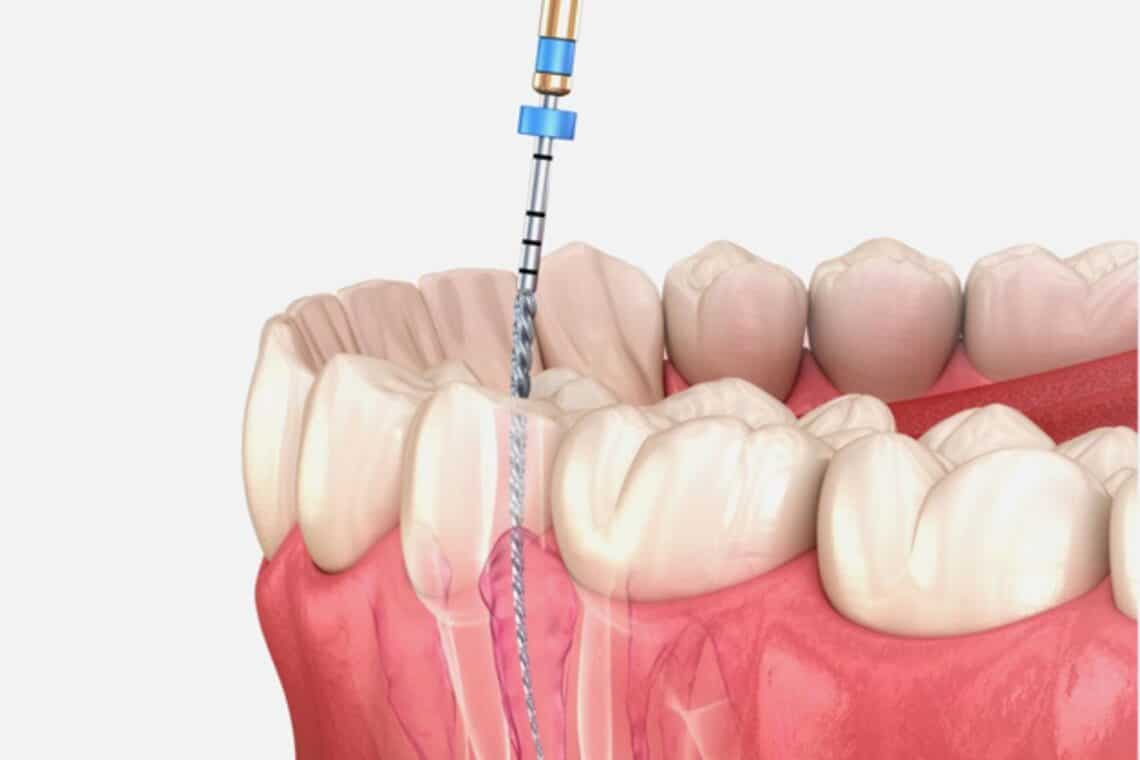
Root canal therapy, often called endodontic treatment, is a procedure designed to treat infection or damage within the pulp. The soft tissue that houses the connective tissue of your tooth, blood arteries, and nerves is called the pulp, when severe decay or trauma causes the pulp to become infected or inflamed.
To stop more infection, a root canal seals the tooth after removing the diseased pulp. The goal of the treatment is to preserve the natural tooth and eliminate the source of pain, ultimately restoring its function and integrity.
What Can Cause Pain After a Root Canal?
While root canal therapy is typically effective in resolving the infection, pain may still occur due to various factors. Understanding these reasons can help you address the discomfort effectively.
1. Unremoved Nerve Inside the Tooth
One common reason for lingering pain after a root canal is the possibility that some nerve tissue inside the tooth was not entirely removed. Even if most of the pulp was treated, residual nerve remnants could continue to cause discomfort. This can result in mild to moderate pain, which may gradually subside with time or require further treatment.
2. Nerves in the Surrounding Bone and Ligament
Pain may also arise from nerves surrounding the root. The surrounding bone and ligament can still experience irritation during the procedure, which may lead to soreness or sensitivity after the root canal. These areas are often affected during the cleaning and sealing stages, and the healing process may take time.
3. Nerves in Affected Muscles
The root canal procedure can also impact the muscles that support the jaw and surrounding areas. If the muscles around the treated tooth experience tension or irritation, it can lead to post-procedure pain. This is often temporary and should improve once the body adjusts and heals.
How Can a Root Canal Fail?
While rare, there are cases when a root canal may fail or complications arise. Understanding potential causes of failure can help identify when issues need attention.
1. Restoration Leaks
If the restoration (crown or filling) placed on top of the treated tooth begins to leak or doesn’t properly seal, bacteria can enter the tooth. This can lead to reinfection, causing pain, swelling, and discomfort. Properly sealing the crown or filling is essential to prevent these issues.
2. Poor Oral Hygiene
Maintaining proper oral hygiene is crucial for the success of any dental procedure, including root canal therapy in Sulphur Springs. If bacteria from food, plaque, or poor brushing habits are allowed to accumulate around the treated tooth. This can result in discomfort or a renewed toothache.
3. Breakdown of Tooth or Sealing Material
Over time, the materials used to seal the tooth during root canal therapy can break down. This breakdown can cause leaks or gaps in the sealing material, leading to reinfection or irritation. Although rare, this may require a new procedure or restoration to fix the issue.
4. The tooth has an additional canal
Sometimes, the root canal system has an additional, hidden canal that the endodontist may not initially see. If this canal isn’t thoroughly cleaned and sealed, infection may persist or reoccur, causing ongoing pain or discomfort.
5. Obstruction in the Canal
Specific anatomical issues, such as curved roots or calcified canals, can make it challenging to fully clean and treat the tooth. In some cases, these obstacles may prevent the root canal from being entirely adequate, leaving some infected tissue behind that can cause pain.
6. Vertical Cracks in the Tooth
Vertical cracks or fractures in the tooth can occur significantly after a root canal procedure if the tooth is weakened during treatment. These cracks can lead to further infection, pain, or tooth damage, requiring additional treatment or even extraction in severe cases.
If you’ve experienced a toothache after root canal therapy, it doesn’t necessarily indicate a failed procedure. Healing takes time, and many issues can be addressed with follow-up care. If your discomfort persists or worsens, consult your dentist to ensure everything is healing correctly.
If you are concerned about any lingering pain or complications, scheduling a visit with a professional is essential. Root canal therapy can be an effective solution when done correctly. If you suspect your treatment hasn’t fully resolved the issue, get checked by a dentist. Book an appointment today with Summit Dental for advice and follow-up care regarding root canal therapy in Sulphur Springs.