422 Oak Avenue, Sulphur Springs, Tx 75482

Can a Front Tooth Be Replaced with a Dental Implant?
Losing a front tooth can be distressing, affecting both appearance and confidence. Whether the loss is due to injury, decay, or an underlying dental condition, replacing it is crucial for both functionality and aesthetics. A dental implant is one of the most effective solutions for front tooth replacement. But is this the right option for you? Let’s explore dental implants, how they work for front teeth, and what to consider before undergoing the procedure.
Understanding Dental Implants
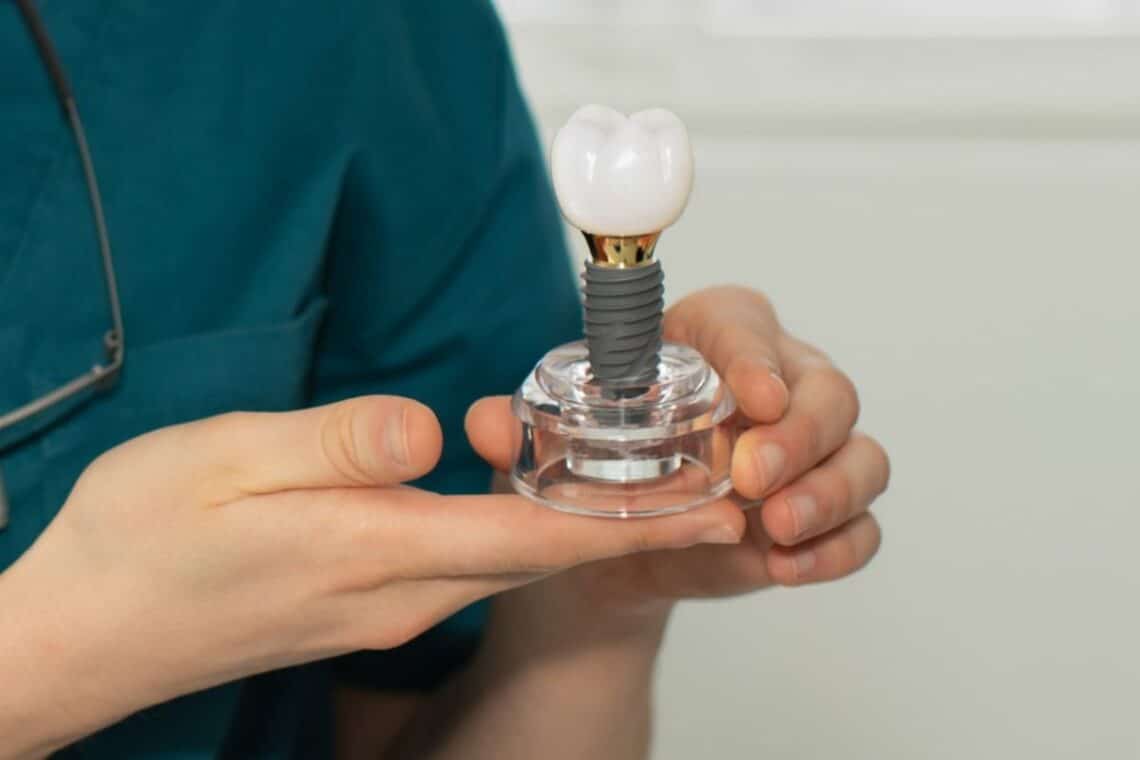
A dental implant is a permanent tooth replacement solution consisting of a titanium post, an abutment, and a custom-made crown. The titanium post is surgically placed into the jawbone, where it fuses with the bone through a process called osseointegration. This creates a strong foundation for the replacement tooth, mimicking the natural structure of a tooth root.
Unlike traditional bridges or removable dentures, dental implants function independently without relying on adjacent teeth for support. They are designed to look, feel, and function like natural teeth, making them an excellent choice for replacing a front tooth.
Why Choose a Dental Implant for a Front Tooth?
1. Aesthetics and Natural Appearance
Since front teeth are apparent, aesthetics are a primary concern. A well-placed dental implant with a custom-designed crown closely resembles a natural tooth in shape, color, and translucency, seamlessly blending with the surrounding teeth.
2. Durability and Longevity
Dental implants are known for their durability. Proper care can last a lifetime, making them a long-term investment in oral health. Unlike traditional bridges, which may need replacement every 10–15 years, implants provide a permanent solution.
3. Preservation of Jawbone and Facial Structure
When a tooth is lost, the underlying jawbone can deteriorate due to lack of stimulation. A dental implant stimulates the bone like a natural tooth root, preventing bone loss and helping maintain facial structure.
4. Improved Functionality
Front teeth play a crucial role in speech and biting. A dental implant restores the full function of a natural tooth, allowing you to speak clearly and eat comfortably without worrying about shifting or slipping, which can occur with dentures.
The Process of Getting a Front Tooth Implant
Step 1: Initial Consultation
A dentist or oral surgeon will evaluate your oral health, take X-rays, and determine whether you have sufficient bone to support an implant. If bone loss has occurred, a bone graft may be necessary before proceeding.
Step 2: Implant Placement
The titanium implant is surgically inserted into the jawbone. The healing period, which can take a few months, allows the implant to integrate with the bone.
Step 3: Abutment Placement
Once healing is complete, an abutment is attached to the implant. This serves as the connector between the implant post and the final crown.
Step 4: Crown Placement
A custom dental crown is designed to match your natural teeth and securely placed onto the abutment. Once in place, the implant functions and appears just like a real tooth.
Things to Consider Before Getting an Implant
1. Overall Oral Health
Healthy gums and adequate bone density are essential for a successful dental implant. Conditions like gum disease or significant bone loss may require additional treatments before implantation.
2. Healing Time and Commitment
The dental implant process requires several months, as the bone must heal and integrate with the implant. Patience and commitment to follow-up appointments are necessary.
3. Cost and Insurance Coverage
Dental implants are an investment, often costing more upfront than other tooth replacement options. However, their long-term benefits, durability, and minimal maintenance make them cost-effective. Some insurance plans may partially cover the procedure, so it’s best to check with your provider.
Conclusion
A dental implant can absolutely replace a front tooth, offering a natural-looking, durable, and functional solution. If you’re considering this procedure, it’s essential to consult with a qualified dentist to determine if you’re a suitable candidate.
Ready to restore your smile? Contact us today to discuss your dental implant options!