422 Oak Avenue, Sulphur Springs, Tx 75482

Best Pain Management Tips for Dental Implants
Dental implants can transform your smile, giving you the confidence to eat, speak, and laugh without worry. However, the journey to a perfect smile often involves some discomfort, especially after the surgical procedure. For residents of Sulphur Springs, TX, managing pain effectively is key to a smooth recovery and long-term implant success. This blog post shares practical, expert-backed tips to help you navigate the recovery process with ease, addressing common concerns and ensuring your dental implants heal properly.
Understanding Dental Implant Recovery
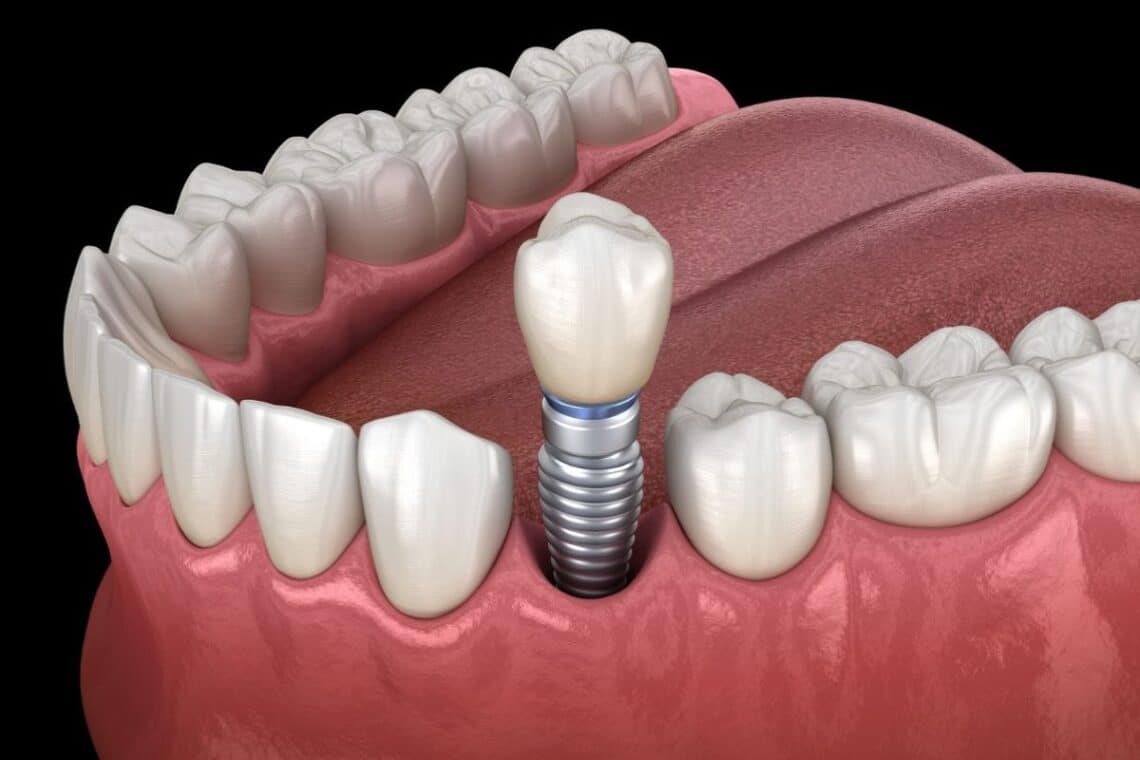
Dental implants involve placing a titanium post into the jawbone to act as a tooth root, followed by attaching a crown or prosthetic tooth. The procedure, while highly effective, can cause temporary discomfort due to the surgical nature of the process. Pain levels vary, but most patients experience mild to moderate soreness for a few days to a week. Proper pain management not only improves comfort but also supports healing and prevents complications.
Why Pain Management Matters
Effective pain control enhances your recovery experience. It allows you to eat, sleep, and resume daily activities sooner. Poorly managed pain can lead to stress, delayed healing, or even complications like infection. By following expert advice, you can minimize discomfort and protect your new smile.
Immediate Post-Surgery Pain Relief Tips
The first 48-72 hours after implant surgery are critical for pain management. Here are actionable steps to stay comfortable:
1. Follow Your Dentist’s Instructions
Your oral surgeon will provide specific post-operative guidelines. These may include taking prescribed medications, applying ice packs, and avoiding certain foods. Adhering to these instructions is crucial for reducing swelling and pain. Ice packs, applied for 15-20 minutes every hour, can significantly reduce inflammation around the implant site.
2. Use Medications Wisely
Over-the-counter pain relievers like ibuprofen or acetaminophen are often recommended to manage discomfort. Ibuprofen also helps reduce swelling. Always follow the dosage instructions provided by your dentist. In some cases, your surgeon may prescribe stronger medications for the first few days.
3. Rest and Elevate Your Head
Rest is essential after surgery. Avoid strenuous activities for at least 48 hours to prevent increased blood flow to the implant site, which can worsen swelling. Sleeping with your head elevated on pillows helps reduce pressure and minimizes discomfort.
Diet and Hydration for Faster Healing
What you eat and drink plays a big role in recovery. A proper diet supports healing and reduces irritation around dental implants in Sulphur Springs, TX.
Stick to Soft Foods
For the first week, opt for soft, nutrient-rich foods like yogurt, mashed potatoes, smoothies, and soups. Avoid hot, spicy, or crunchy foods that could irritate the surgical site. Gradually reintroduce solid foods as advised by your dentist, typically after 7-10 days.
Stay Hydrated
Drinking plenty of water keeps your mouth clean and supports healing. Avoid using straws, as the suction can dislodge the blood clot at the implant site, leading to complications like dry socket. Sip water or use a spoon for other liquids.
Long-Term Pain Management Strategies
Beyond the initial recovery, long-term care ensures your implants remain pain-free and functional.
Maintain Excellent Oral Hygiene
Keeping the implant site clean prevents infection, which can cause pain. Brush gently with a soft-bristled toothbrush and use an antimicrobial mouth rinse as recommended. Avoid vigorous rinsing or touching the implant site with your tongue or fingers.
Avoid Smoking and Alcohol
Smoking and alcohol can delay healing and increase discomfort. They reduce blood flow to the gums, weaken the bone-implant bond, and heighten the risk of complications like symptoms of loose dental implant, such as persistent pain, swelling, or mobility. Quitting smoking and limiting alcohol during recovery is critical for implant success.
Recognizing and Addressing Complications
While most recoveries are smooth, being aware of potential issues helps you act quickly. Contact your dentist if you notice unusual symptoms like severe pain, prolonged swelling, or pus at the implant site. These could indicate infection or implant failure, which require immediate attention.
Regular Follow-Up Appointments
Schedule follow-up visits with your dentist to monitor healing. These checkups ensure the implant is integrating properly with the jawbone. Your dentist can address any discomfort or concerns early, preventing bigger issues.
Trending FAQs on Dental Implant Pain Management
Here are answers to common questions people ask about managing pain after dental implants, based on popular searches:
- How long does pain last after dental implants?
Most patients experience discomfort for 3-7 days. Pain typically peaks within the first 48 hours and gradually subsides. Persistent pain beyond 10 days should be evaluated by your dentist. - Can I use a heating pad for implant pain?
Avoid heat for the first 48 hours, as it can increase swelling. Use ice packs initially, then switch to warm compresses after a few days if advised by your dentist. - What foods should I avoid after implant surgery?
Steer clear of hard, crunchy, spicy, or hot foods for at least a week. These can irritate the implant site or dislodge the healing clot. - Is it normal for implants to feel sensitive?
Mild sensitivity is common during the first few weeks. However, sharp or worsening pain could signal a problem, so consult your dentist promptly. - How can I reduce swelling after implant surgery?
Apply ice packs for 15-20 minutes every hour for the first 48 hours. Keeping your head elevated also helps minimize swelling.
Lifestyle Tips to Support Implant Recovery
Your daily habits can influence how quickly you recover and how comfortable you feel.
Manage Stress
Stress can amplify pain perception. Practice relaxation techniques like deep breathing or meditation to stay calm during recovery. A relaxed body heals faster.
Avoid Chewing on the Implant Side
For the first few weeks, chew on the opposite side of your mouth to avoid putting pressure on the implant. This reduces irritation and supports proper healing.
Get Enough Sleep
Adequate sleep boosts your body’s ability to repair tissues. Aim for 7-8 hours of restful sleep each night to aid recovery.
Why Local Expertise Matters
Choosing a skilled dentist in Sulphur Springs ensures personalized care tailored to your needs. Local professionals understand the community’s unique dental concerns and use advanced techniques to minimize pain and enhance outcomes. Regular checkups with a trusted provider keep your implants in top shape.
Take Control of Your Implant Recovery
Recovering from dental implants doesn’t have to be painful or stressful. By following these expert tips—using ice packs, sticking to soft foods, maintaining oral hygiene, and avoiding harmful habits—you can enjoy a smooth recovery and a confident smile. If you’re searching for a “dentist near me” in Sulphur Springs, Summit Dental offers personalized care to ensure your implants heal beautifully. Schedule a consultation today at 903-885-8906 to start your journey to a pain-free, radiant smile!