422 Oak Avenue, Sulphur Springs, Tx 75482

Can Poor Oral Hygiene Really Cause Implant Failure?
Dental implants are a game-changer for those seeking a permanent solution to missing teeth. They offer a natural look and feel, restoring confidence and function. But here’s a question that often lingers: can something as simple as poor oral hygiene derail this advanced dental solution? Let’s dive into the connection between oral care and implant success, addressing common concerns with clear, actionable insights to keep your smile shining.
Understanding Dental Implants and Their Success
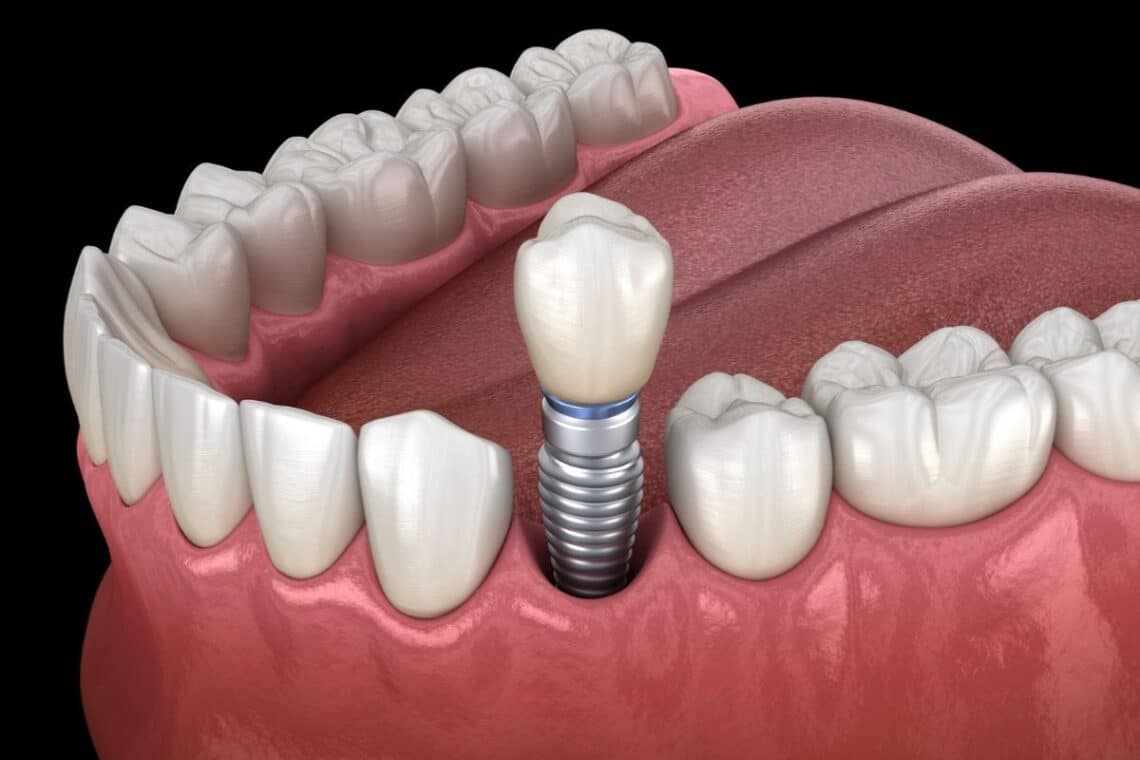
Dental implants are titanium posts surgically placed into the jawbone to act as artificial tooth roots. These posts support crowns, bridges, or dentures, providing stability comparable to natural teeth. The key to their success lies in a process called osseointegration, where the implant fuses with the jawbone over several months. This fusion creates a strong foundation, but it’s not foolproof. Proper care is essential to ensure the implant remains secure and functional for years.
How Poor Oral Hygiene Impacts Implants
Neglecting oral hygiene can significantly increase the risk of implant failure. When plaque and bacteria build up around the implant, they can trigger inflammation and infections, such as peri-implantitis. This condition, similar to gum disease, affects the gum and bone surrounding the implant, leading to bone loss and potential implant loosening. Regular brushing, flossing, and dental checkups are critical to prevent these issues and support the healing process after surgery.
The Role of Osseointegration in Implant Stability
Osseointegration is the backbone of a successful implant. Poor oral hygiene can disrupt this process by allowing bacteria to interfere with the implant’s integration into the jawbone. For example, infections during the healing phase can cause the implant to shift or fail to bond properly. To promote osseointegration, maintain a rigorous oral hygiene routine, including gentle brushing around the implant site and using an antiseptic mouthwash as recommended by your dentist.
Common Causes of Implant Failure
Several factors beyond poor oral hygiene can contribute to implant failure. These include:
- Smoking: Tobacco use reduces blood flow to the gums, slowing healing and increasing infection risk. Smokers face a higher implant failure rate, with studies showing an 8.3% failure rate linked to smoking.
- Teeth Grinding (Bruxism): Uncontrolled grinding can exert excessive pressure on implants, leading to micro-movements that prevent proper integration. A custom bite guard can help protect your implants.
- Medical Conditions: Conditions like diabetes or osteoporosis can impair bone healing, increasing the risk of failure if not managed properly.
- Inadequate Bone Density: Low bone density, often seen in patients requiring sinus lifts, can compromise implant stability.
By addressing these risk factors and maintaining excellent oral hygiene, you can significantly boost your implant’s chances of success.
Dental Implants Cause Sinus Problems: A Potential Risk
For implants placed in the upper jaw, there’s a small chance they could protrude into the sinus cavity, leading to inflammation or sinusitis and other sinus problems due to the implant. This complication is rare but can occur if the implant is improperly positioned. Poor oral hygiene exacerbates this risk by promoting bacterial infections that may spread to the sinuses. Regular dental checkups and imaging can help detect and address such issues early, ensuring your implants remain trouble-free.
Practical Tips to Protect Your Dental Implants
To safeguard your dental implants in Sulphur Springs, TX, adopt these habits:
- Brush Twice Daily: Use a soft-bristled toothbrush to clean around the implant gently.
- Floss Daily: Use floss or interdental brushes to remove plaque from hard-to-reach areas.
- Rinse with Antiseptic Mouthwash: This helps reduce bacteria and prevent infections.
- Avoid Hard Foods: During the healing phase, stick to soft foods to avoid stressing the implant.
- Quit Smoking: Eliminating tobacco use supports healing and reduces complication risks.
- Schedule Regular Checkups: Visit your dentist for cleanings and evaluations every 6–12 months.
These steps, combined with professional guidance, can help your implants thrive for decades.
Trending FAQs on Dental Implant Failure
Here are answers to some frequently asked questions about dental implant failure, based on what people are searching for online:
- Can poor oral hygiene cause dental implant failure?
Yes, neglecting oral hygiene can lead to peri-implantitis, a bacterial infection that causes bone loss and implant loosening. - How long does it take for an implant to fail?
Early failures occur within 3–4 months, often due to poor osseointegration. Late failures can happen years later due to infections or mechanical stress. - What are the signs of a failing implant?
Look for persistent pain, swelling, gum recession, or implant mobility. Contact your dentist immediately if you notice these symptoms. - Can a failed implant be replaced?
Yes, after removing a failed implant and allowing the area to heal, a new implant can often be placed successfully. - Does smoking increase implant failure risk?
Smoking significantly raises the risk by impairing healing and increasing infection chances. Quitting is highly recommended.
Statistics on Dental Implant Success and Failure
| Factor | Impact on Implant Failure | Data Source |
|---|---|---|
| Overall Success Rate | 97% at 10 years, 75% at 20 years | |
| Failure Rate | 3.11% of 376 implants (2014–2019) | |
| Smoking-Related Failures | 8.3% of failures linked to smoking | |
| Peri-Implantitis Prevalence | Affects 34% of implant patients | |
| Bruxism Failure Rate | 41% in bruxers vs. 12% in non-bruxers |
These stats highlight the importance of addressing risk factors like smoking and poor hygiene to maximize implant success.
The Importance of Choosing an Experienced Surgeon
The skill of your oral surgeon plays a pivotal role in implant success. An experienced surgeon ensures proper implant placement, minimizing risks like nerve damage or sinus issues. They also provide tailored post-operative instructions to support healing. Research your surgeon’s credentials and ask about their experience with implants to feel confident in your care.
Maintaining Long-Term Implant Health
Long-term implant success hinges on consistent care. Beyond daily hygiene, regular dental visits allow for early detection of issues like peri-implantitis or bone loss. Using tools like interdental brushes and attending maintenance visits every 12–18 months can keep your implants in top shape. If you grind your teeth, consider a bite guard to protect your investment.
Take Control of Your Implant Success
Your dental implants are a valuable investment in your smile and confidence. By prioritizing oral hygiene and addressing risk factors like smoking or bruxism, you can ensure their longevity. If you’re searching for a dentist in Sulphur Springs to guide you through the implant process or maintain your oral health, contact us at 903-885-8906 to schedule an appointment. Your perfect smile is within reach—let’s keep it that way!