422 Oak Avenue, Sulphur Springs, Tx 75482

How Can I Tell If My Dental Implant Is Loose?
Dental implants are one of the most effective and permanent solutions for missing teeth. They offer a natural look and feel, helping restore both function and aesthetics to your smile. However, as with any dental procedure, complications can arise, and one concern some patients have is the possibility of a loose dental implant. So, how can you tell if your dental implant is loose? In this blog, we’ll explore the common signs and symptoms of a loose implant, the potential causes, and what to do if you think your implant might be in trouble.
What Are Dental Implants?
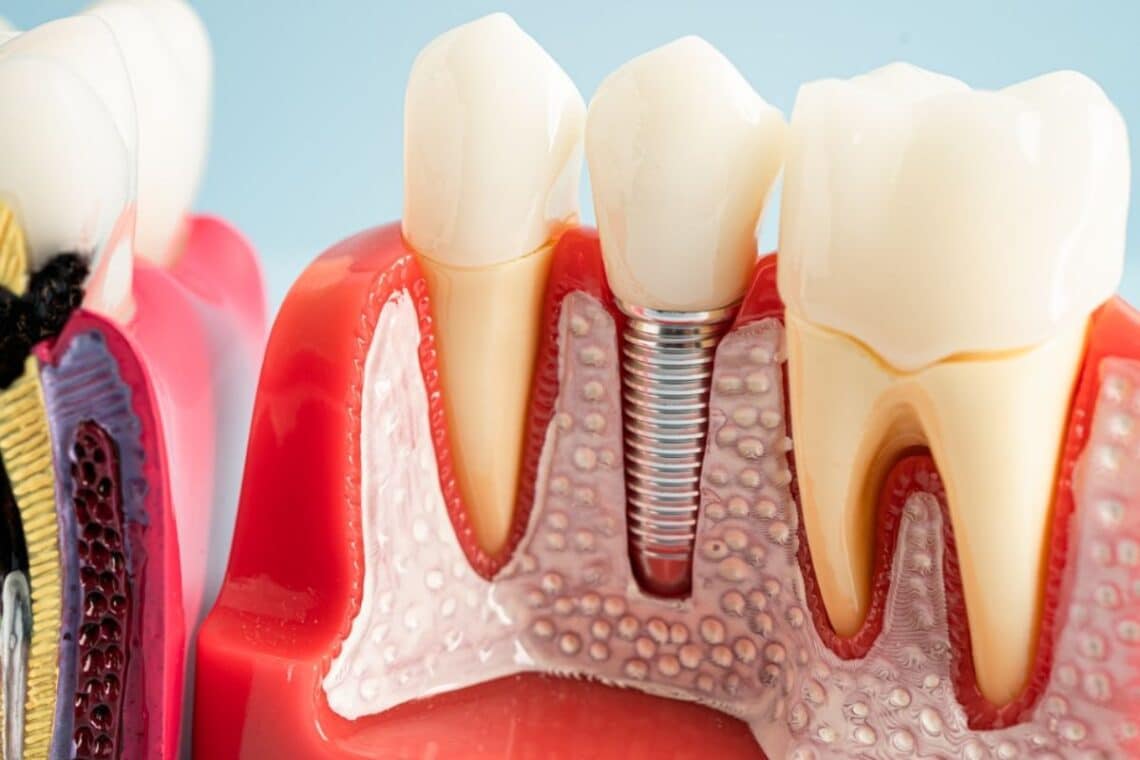
Dental implants are titanium posts surgically placed into your jawbone, acting as artificial tooth roots. Over time, the bone bonds with the implant in osseointegration. After this bond is complete, a crown, bridge, or denture is placed on top, creating a fully functional replacement for a missing tooth. This procedure is highly successful in most cases, but it’s essential to be aware of the signs that something might be wrong, including the possibility of a loose implant.
Signs of a Loose Dental Implant
- Pain or Discomfort If you’re experiencing pain or discomfort around your implant site, especially when chewing or applying pressure, it could indicate that your implant is loosening. A loose implant might shift or rub against the gum tissue, causing inflammation or discomfort. This could be an early warning sign that your implant needs attention.
- Movement of the Implant One of the most apparent signs of a loose dental implant is movement. Since implants are meant to be anchored securely in your jawbone, any noticeable shifting could cause concern. If you can feel or even see that your implant is moving, you must consult your dentist immediately.
- Swelling or Infection Swelling around the implant site and redness or warmth can be signs of infection. Infections can cause the implant to loosen as the surrounding tissue becomes inflamed. In some cases, you may even notice a pus-like discharge around the implant. Infections should be addressed immediately to prevent further complications, including implant failure.
- Gum Recession Another sign of a loose dental implant is gum recession around the implant. Healthy gums should surround the implant securely, but if the implant begins to loosen, the gums may pull away, exposing the implant. This can create an aesthetic concern as well as a functional one, as the implant may not be able to perform its role properly.
- Changes in Bite or Alignment A loose dental implant may cause changes in your bite or tooth alignment. If the implant shifts position, it may affect how your teeth come together when you chew. This could result in discomfort, difficulty chewing, or an uneven bite, indicating that your implant needs adjustment.
- Loosening of the Crown or Prosthesis Sometimes, it’s not the implant itself that’s loose, but rather the crown or other prosthetic part attached to it. If you notice that the crown feels loose or wobbly, it could mean that the screw or attachment holding the crown in place is no longer secure. In this case, your dentist can examine the situation and determine if the issue lies with the implant or the prosthetic.
What Causes Dental Implants to Become Loose?
There are several potential reasons why a dental implant might become loose:
- Infection: As mentioned, infection around the implant site can cause bone loss and inflammation, leading to implant failure.
- Inadequate Bone Density: If the bone isn’t strong enough to support the implant, it might not bond properly, leading to loosening over time.
- Excessive Stress: Clenching or grinding your teeth (bruxism) can put undue stress on the implant, causing it to loosen.
- Implant Failure: In rare cases, the implant itself may fail due to a problem during osseointegration, resulting in looseness.
What Should You Do if Your Dental Implant Is Loose?
If you suspect your dental implant is loose, seeing your dentist as soon as possible is important. Delaying treatment can lead to further complications, including the potential loss of the implant. Your dentist will examine the implant and may take X-rays to assess the surrounding bone structure. In some cases, the implant can be resecured, while in others, it may need to be replaced.
Dental Implants in Sulphur Springs
If you’re considering dental implants in Sulphur Springs, it’s crucial to choose a qualified and experienced dentist who can ensure the success of your treatment. The process involves careful planning and monitoring to minimize complications. Regular check-ups will help ensure your implants heal properly and function as intended.
Conclusion
In summary, a loose dental implant can cause pain, discomfort, and changes in your bite or appearance. If you notice any of these signs, you must contact your dentist immediately for an evaluation. Taking action quickly can prevent further issues and ensure the long-term success of your implant. If you’re concerned about your dental implants or think something might be wrong, don’t hesitate to contact us. Our team is here to help you maintain a healthy, beautiful smile!