422 Oak Avenue, Sulphur Springs, Tx 75482

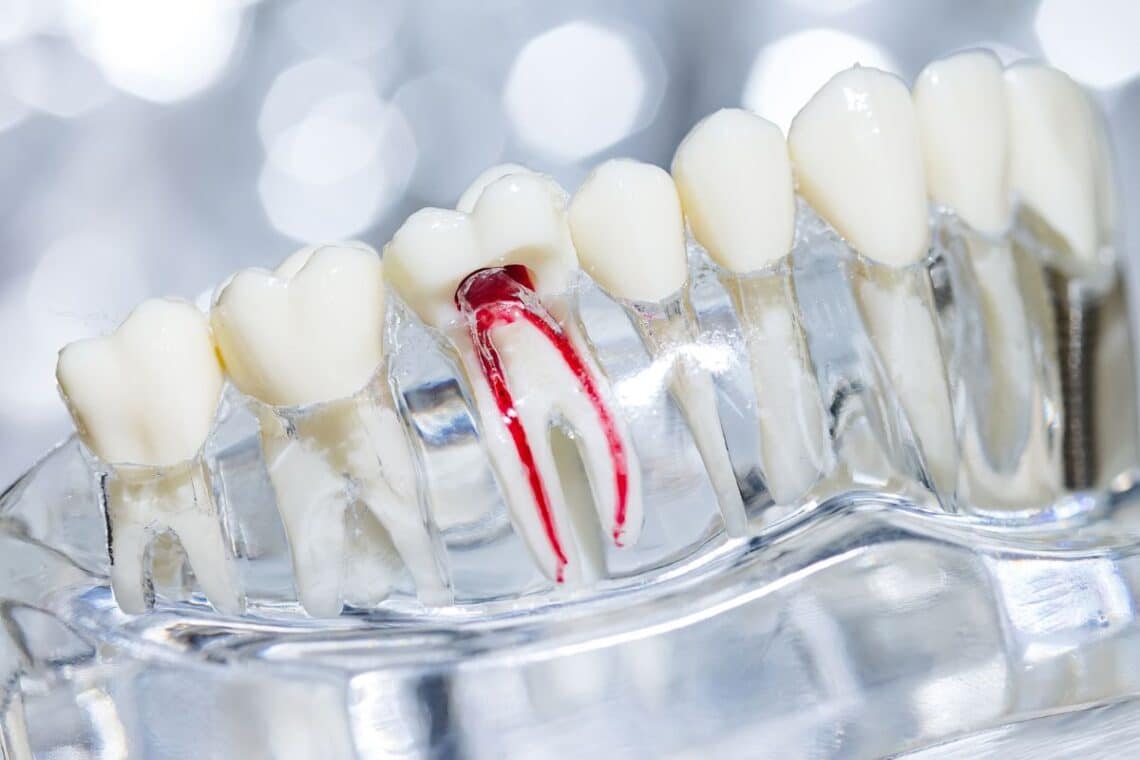
What to Expect During a Root Canal Procedure?
Hearing that you need a root canal can feel overwhelming, but the reality is that this common dental procedure is designed to relieve pain and save your natural tooth. Thanks to modern dentistry, root canals are now more comfortable and efficient than ever. If you’re preparing for one, knowing what to expect can help ease any anxiety and ensure a smooth experience.
Why You Might Need a Root Canal
A root canal becomes necessary when the soft tissue inside your tooth, called the pulp, becomes infected or inflamed. This can happen due to deep decay, repeated dental procedures on the tooth, a crack or chip, or an injury. If left untreated, the infection can spread, leading to severe pain, swelling, and even tooth loss.
Step 1: Initial Consultation and Diagnosis
Your dentist will first examine your tooth and take X-rays to assess the extent of the damage. This helps determine whether a root canal is the best course of action. If an infection is present, your dentist may prescribe antibiotics before the procedure to reduce inflammation.
Step 2: Numbing the Area and Prepare the Tooth
On the day of the procedure, your dentist will administer local anesthesia to numb the affected area, ensuring you remain comfortable throughout the process. Once the tooth is numb, a protective dental dam is placed around it to keep it dry and free of saliva during treatment.
Step 3: Removing the Infected Pulp
Your dentist will create a small opening in the crown of the tooth to access the infected pulp. Using specialized instruments, the damaged pulp is carefully removed, and the inside of the tooth is thoroughly cleaned and disinfected. This step is crucial for preventing future infections and preserving the tooth’s integrity.
Step 4: Filling the Root Canals
After cleaning, the empty canals are shaped and filled with a biocompatible material called gutta-percha. This rubber-like material seals the space to prevent bacteria from re-entering. A temporary filling is then placed over the tooth to protect it until a permanent restoration can be applied.
Step 5: Restoring the Tooth
Once the root canal is complete, your dentist will discuss options for restoring your tooth. In most cases, a dental crown is recommended to strengthen and protect the treated tooth. The crown is custom-made to match your natural teeth and ensure long-lasting function.
What to Expect After the Procedure
Mild discomfort or sensitivity is common for a few days following a root canal, but this can typically be managed with over-the-counter pain relievers. Your dentist may also recommend avoiding hard or chewy foods until the permanent crown is placed. With proper care, a tooth that has undergone root canal therapy in Sulphur Springs can last a lifetime.
Tips for a Smooth Recovery
- Take any prescribed medications as directed.
- Avoid chewing on the treated tooth until it’s fully restored.
- Maintain good oral hygiene by brushing and flossing regularly.
- Follow up with your dentist for any additional care or permanent restoration.
A Pain-Free Solution to Save Your Smile
A root canal might sound intimidating, but it’s a straightforward, pain-relieving procedure that can save your natural tooth and restore your smile. If you suspect you need one, don’t hesitate to reach out to a dentist near you. Addressing the issue promptly can prevent more serious complications and help you get back to feeling your best.