422 Oak Avenue, Sulphur Springs, Tx 75482

How to Care for Your Dental Implants: A Comprehensive Maintenance Guide
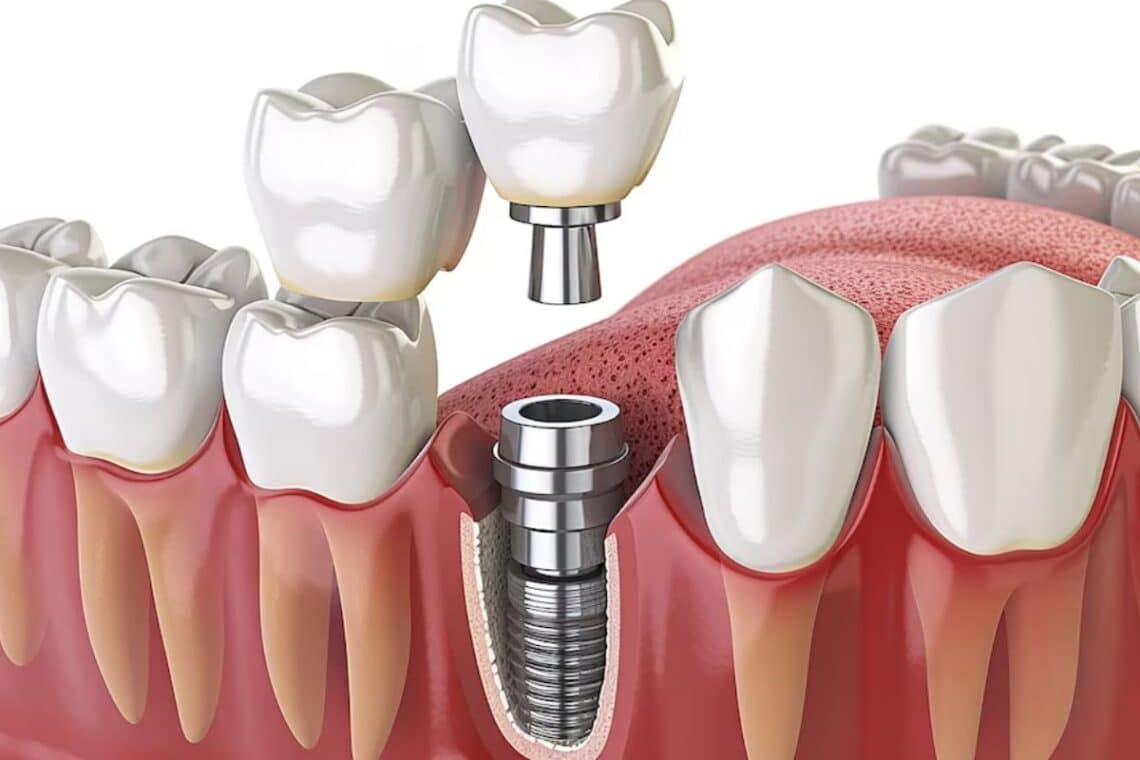
Dental implants are a popular and effective solution for replacing missing teeth. Unlike dentures, which can be removed, dental implants are designed to be a permanent part of your smile, providing a natural appearance and functionality. However, just like natural teeth, dental implants require proper care and maintenance to ensure they last a lifetime. Here’s a comprehensive guide on how to care for your dental implants.
1. Maintain Good Oral Hygiene
Just as you would care for your natural teeth, maintaining good oral hygiene is essential for the longevity of your dental implants. Follow these steps to keep your mouth healthy:
- Brush Twice a Day: Use a soft-bristled toothbrush and fluoride toothpaste to brush your teeth at least twice a day. Pay special attention to the areas around your implants and any adjacent teeth.
- Floss Daily: Flossing helps remove food particles and plaque from between your teeth and around the implant. You can use regular dental floss or an interdental brush designed for dental implants.
- Use an Antimicrobial Mouthwash: Rinsing with an antimicrobial mouthwash can help reduce bacteria in your mouth, providing an extra layer of protection for your implants.
2. Schedule Regular Dental Check-Ups
Regular visits to your dentist are crucial for maintaining your dental implants. Typically, you should schedule check-ups at least twice a year, or as recommended by your dentist. During these visits, your dentist will:
- Assess the Health of Your Implants: Your dentist will examine the implants and surrounding tissues for any signs of inflammation or infection.
- Perform Professional Cleanings: Professional cleanings can help remove plaque and tartar buildup that regular brushing and flossing might miss.
- X-rays: Periodic X-rays can help monitor the health of the bone around your implants and detect any potential issues early.
3. Avoid Hard and Sticky Foods
One of the advantages of dental implants is their strength and durability. However, it’s still important to be cautious about the foods you consume. Avoiding certain foods can help prevent damage to your implants:
- Hard Foods: Be cautious with hard foods like nuts, hard candies, and ice, as they can put excessive pressure on your implants.
- Sticky Foods: Foods like caramel and taffy can adhere to your implants and may be difficult to clean off. They can also put stress on the implant components.
4. Quit Smoking
Smoking can have a detrimental effect on your oral health and the longevity of your dental implants. Research shows that smoking can impair healing and increase the risk of implant failure. If you smoke, consider quitting or seeking support to reduce your risk of complications.
5. Manage Teeth Grinding (Bruxism)
If you have a habit of grinding your teeth, it can put significant stress on your dental implants. If you suspect you grind your teeth, consult your dentist. They may recommend:
- A Night Guard: A custom night guard can help protect your teeth and implants from the damaging effects of grinding.
- Stress Management Techniques: Learning to manage stress can help reduce the likelihood of teeth grinding, leading to better oral health.
6. Stay Hydrated and Maintain a Balanced Diet
Staying hydrated and eating a balanced diet is vital for maintaining good oral health. Drinking plenty of water can help wash away food particles and bacteria. A diet rich in vitamins and minerals, particularly calcium and vitamin D, can support healthy bones and gums, which are crucial for the success of your dental implants.
7. Be Aware of Signs of Complications
While dental implants are generally very successful, it’s essential to be aware of signs that may indicate a problem:
- Swelling or Pain: If you experience persistent swelling or pain around your implant site, contact your dentist promptly.
- Loose Implants: If you notice any looseness in your dental implants, it’s crucial to seek immediate attention.
- Changes in Bite: If your bite feels off or uncomfortable, consult your dentist for an evaluation.
Caring for your dental implants is a vital part of maintaining your oral health and ensuring that your implants last a lifetime. By following good oral hygiene practices, scheduling regular dental visits, avoiding harmful foods, and being mindful of your habits, you can keep your dental implants in excellent condition. With proper care and attention, your dental implants can provide you with a beautiful, functional smile for years to come!