422 Oak Avenue, Sulphur Springs, Tx 75482

Your Jawbone Is Shrinking: When Dental Implants Can’t Wait
Most people don’t realize their jawbone starts shrinking the moment a tooth is lost. If you’ve been living with a gap in your smile here in Sulphur Springs, TX, your jawbone may already be changing beneath the surface. Understanding when dental implants can’t wait could save your smile — and your bone structure. This guide walks through the warning signs that mean you need to act now.
Why Your Jawbone Shrinks After Tooth Loss
Your teeth do more than help you chew and speak. Their roots stimulate your jawbone every time you bite down. This stimulation signals the body to maintain bone density in that area. When a tooth is lost, that signal disappears completely.
Without stimulation, the body begins reabsorbing the bone. This process is called bone resorption. Studies show you can lose up to 25% of bone width in the first year after extraction. The loss continues steadily every year you wait.
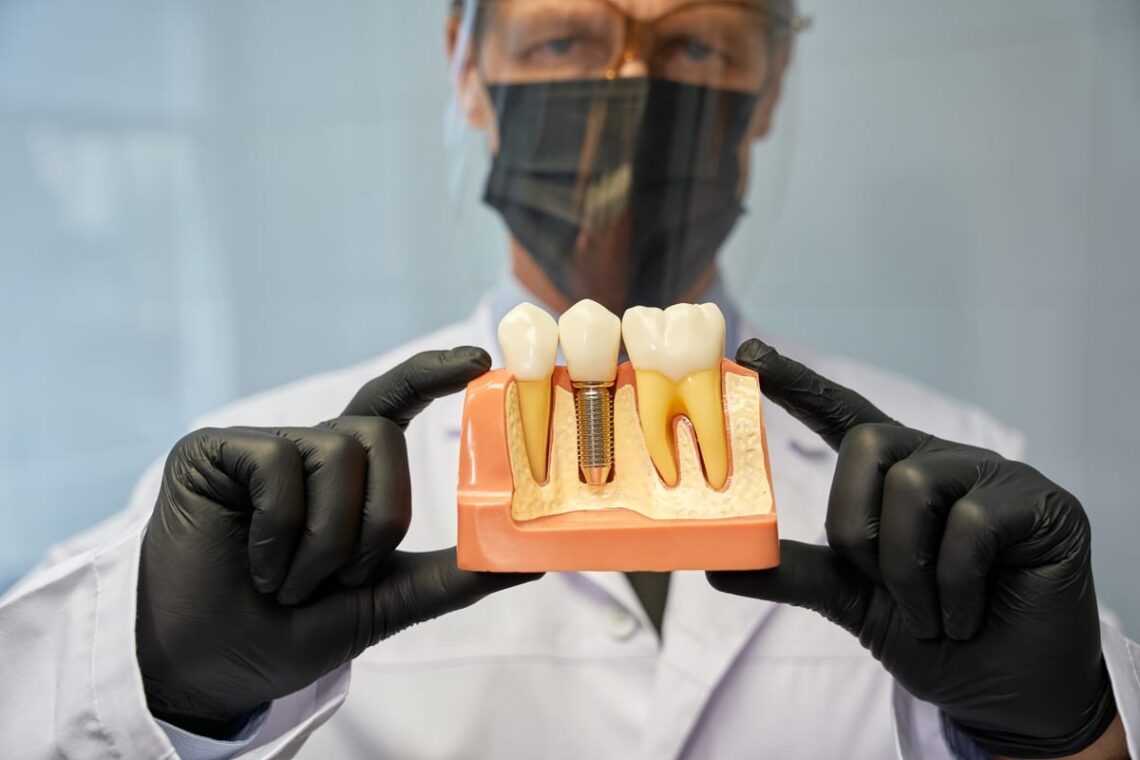
Dental implants are the only tooth replacement option that restores this root stimulation. They fuse with your jawbone and essentially become part of your anatomy. That’s what makes timing so critical for implant candidates in Sulphur Springs.
Warning Signs You’ve Already Waited Too Long for Dental Implants in Sulphur Springs
Your body sends clear signals when bone loss is progressing. Many patients ignore these signs for months or years. Recognizing them early gives Dr. Matthew Johnson more options to restore your smile successfully.
Watch for these red flags:
- Shifting teeth — Neighboring teeth drift into the gap left by a missing tooth
- Difficulty chewing — You avoid certain foods or chew only on one side
- Sunken facial appearance — Your cheeks or lips look hollow or collapsed
- Loose-fitting dentures — Bone loss makes your dentures slip and shift constantly
- Jaw pain or soreness — Your bite becomes uneven as teeth shift out of alignment
- Changes in your bite — Teeth that used to fit together now feel misaligned
If you recognize two or more of these signs, the bone loss process is likely well underway. Waiting longer only narrows your treatment options. Acting now keeps implants within reach.
How Shifting Teeth Signal Serious Bone Loss
When a tooth is missing, the surrounding teeth lose their structural support. They begin to tip, rotate, and drift toward the open space. This movement changes your entire bite pattern. The results affect more than just appearance.
Shifting teeth create uneven pressure across your jaw. That uneven force can cause jaw joint problems over time. It also makes future implant placement more complex. The more teeth shift, the more preparatory work becomes necessary before an implant can be placed.
Children and teenagers experience tooth movement differently. If your family includes younger patients dealing with gaps or alignment concerns, Pediatric Services Sulphur Springs at Summit Dental can provide age-appropriate evaluations and guidance.
For adult patients with shifting teeth, every month of delay compounds the problem. Dr. Johnson evaluates the degree of shifting during a full exam. Early intervention leads to simpler, more affordable outcomes.
What Happens When Bone Loss Makes Implants Harder to Place
Advanced bone loss doesn’t always disqualify a patient from dental implants. But it does make the process more complex. When bone density falls below a certain threshold, additional procedures become necessary before implant placement.
Bone grafting is the most common preparatory procedure. It rebuilds lost jawbone using grafting material. The graft must heal fully before an implant can be placed. This adds months to the overall treatment timeline.
Here is what the process typically looks like for patients with moderate to severe bone loss:
- Comprehensive exam and 3D imaging to assess current bone levels
- Bone graft procedure if needed, followed by a healing period
- Implant post placement once sufficient bone density is confirmed
- Osseointegration period — the implant fuses with the jawbone
- Abutment and crown placement to complete the restoration
Patients who act earlier often skip the bone graft stage entirely. That means fewer appointments, less recovery time, and lower overall treatment complexity. The sooner you visit Summit Dental, the more straightforward your path to implants is likely to be.