422 Oak Avenue, Sulphur Springs, Tx 75482

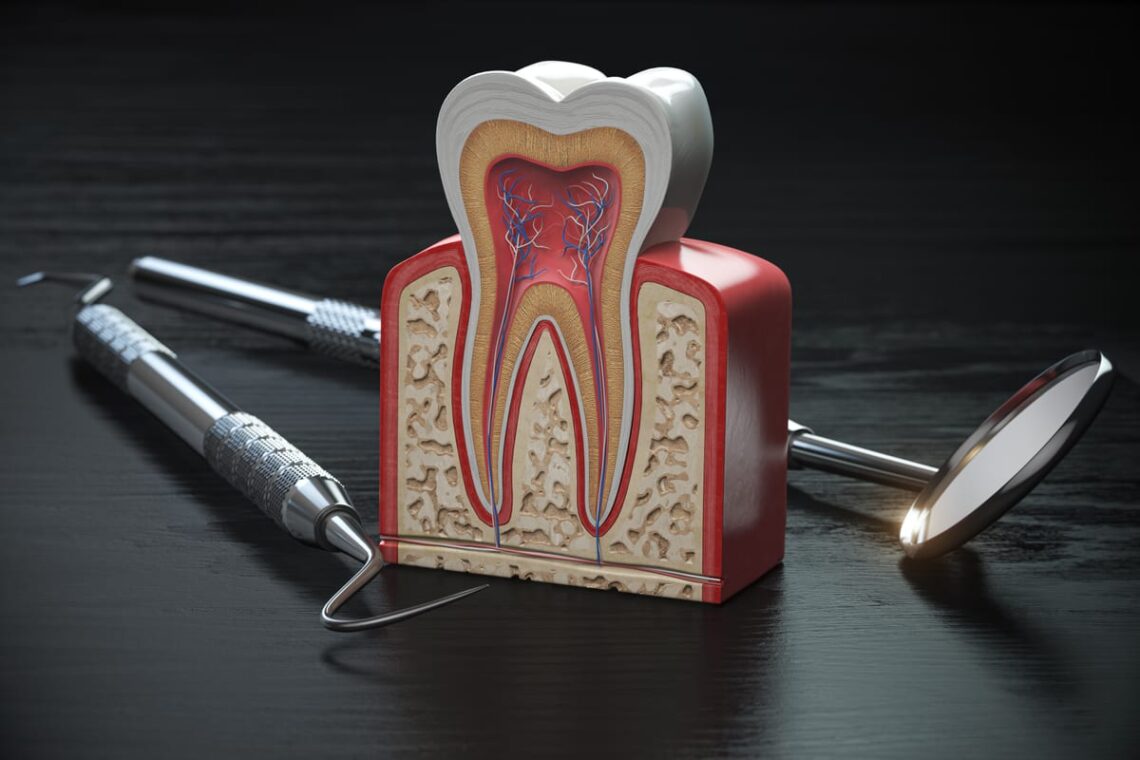
Root Canal Recovery: What to Expect After Your Procedure
If you just had a root canal in Sulphur Springs, you probably have questions. What should you eat tonight? How much pain is normal? When should you call your dentist? Understanding root canal recovery — what to expect after your procedure in Sulphur Springs — helps you heal faster and avoid complications. At Summit Dental Sulphur Springs, Dr. Matthew Johnson walks every patient through the recovery process before they leave the chair. This guide gives you that same information in one easy-to-read place.
What Happens to Your Mouth Right After a Root Canal?
The anesthetic used during your procedure takes a few hours to wear off. During that window, your lips, gums, and tongue may feel numb or tingly. Avoid eating until the numbness fades completely. Biting down while numb can cause you to injure your cheek or tongue without realizing it.
Once the anesthetic wears off, mild to moderate soreness is completely normal. The tissues around the treated tooth experienced some stress during the procedure. That soreness usually peaks within the first 24 to 48 hours. Most patients describe it as a dull ache rather than sharp pain.
Your dentist may place a temporary crown on the tooth the same day. That temporary restoration protects the tooth while a permanent crown is being made. Treat it gently — avoid sticky or hard foods on that side of your mouth until your permanent crown is in place.
Managing Pain During Root Canal Recovery in Sulphur Springs
Over-the-counter pain relievers are usually enough to manage discomfort after a root canal. Ibuprofen (Advil, Motrin) is the most recommended option because it reduces both pain and inflammation. Take it as directed on the label, ideally starting before the anesthetic fully wears off. That timing helps stay ahead of the pain rather than chasing it.
Acetaminophen (Tylenol) is a good alternative if you cannot take ibuprofen. Some patients find that alternating between the two every few hours provides better relief. Always follow dosing instructions and never exceed the recommended daily limits. If over-the-counter options are not controlling your pain, call Summit Dental Sulphur Springs right away.
Avoid aspirin during the first day or two of recovery. Aspirin can thin the blood and potentially increase any minor bleeding around the treated area. Cold compresses applied to the outside of your cheek can also reduce swelling and numb soreness. Use a cloth-wrapped ice pack in 10-minute intervals for best results.
What to Eat and Avoid After Your Procedure
Your diet plays a bigger role in recovery than most patients expect. Choosing the right foods protects the treated tooth and helps your body heal efficiently. The general rule is simple: soft foods for the first few days.
Here are foods that work well during root canal recovery:
- Yogurt, smoothies, and applesauce
- Scrambled eggs and soft-cooked oatmeal
- Mashed potatoes and soft-cooked pasta
- Bananas and other soft fruits
- Soup broth and lukewarm (not hot) liquids
Foods to avoid during the early recovery period include:
- Hard, crunchy foods like chips, nuts, or raw carrots
- Sticky candies and chewing gum
- Very hot or very cold beverages
- Chewy foods like bagels or tough meats
- Alcohol, which can interfere with healing
Most patients can return to a normal diet within three to five days. If the tooth still feels sensitive to chewing after a week, contact your dentist for a follow-up evaluation.
How Long Does Sensitivity Last After a Root Canal?
Tooth sensitivity after a root canal is one of the most common patient concerns. Mild sensitivity to pressure and temperature typically lasts one to two weeks. This happens because the surrounding periodontal ligament experienced some inflammation during treatment. Your body needs time to calm that inflammation naturally.
Many patients notice the sensitivity gradually improves day by day. If your discomfort is getting better each day, that is a great sign your recovery is on track. Complete comfort usually returns once your permanent crown is placed and fully seated. The crown restores normal biting function and protects the inner tooth structure.
In some cases, a tooth may remain slightly sensitive for up to a month. This is more common in teeth that had significant infection before treatment. If sensitivity remains the same or worsens after two weeks, schedule a follow-up appointment. Dr. Matthew Johnson can evaluate whether additional care is needed.
Red Flags to Watch for During Recovery
Mild soreness is expected — but certain symptoms signal a problem that needs prompt attention. Knowing these warning signs helps you act quickly and protect your long-term oral health.
Contact Summit Dental Sulphur Springs immediately if you experience any of the following:
- Severe or worsening pain that is not relieved by over-the-counter medication
- Visible swelling in your jaw, cheek, or neck
- A fever above 101°F
- Your temporary crown falls out or feels loose
- A bad taste or discharge coming from around the tooth
- A visible bump or pimple on the gum near the treated tooth
These symptoms can indicate reinfection, an incomplete seal, or another complication. Catching problems early leads to simpler, more effective solutions. Never wait more than 24 hours to call if you are experiencing any of these signs.
Long-Term Care After a Root Canal
A root canal saves your natural tooth — and that tooth can last a lifetime with proper care. The most important next step is getting your permanent crown placed as scheduled. A crown protects the treated tooth from cracking under daily chewing pressure. Delaying your crown appointment puts the tooth at real risk of fracture.
Maintain your regular brushing and flossing routine around the treated tooth. Good daily hygiene prevents future infection and keeps surrounding gum tissue healthy. Dr. Matthew Johnson also recommends keeping up with your regular preventive care visits. Routine exams allow your dental team to monitor the treated tooth over time.
If you are interested in other aspects of your overall dental health — including Orthodontics Sulphur Springs or Invisalign Sulphur Springs — your recovery period is a great time to ask about those options at your follow-up visit. Taking a whole-mouth approach gives you the best long-term outcomes.
Root canal recovery is straightforward for most patients when they follow their dentist’s guidance. Stay on top of your pain management, stick to soft foods early on, and watch for any red flags. Most importantly, do not skip your follow-up appointments. They are the final piece of a successful recovery.
If you have concerns about your recovery or need to schedule your permanent crown, our team is here to help. Book Now to schedule your appointment with our team.
Frequently Asked Questions
Is it normal to have pain for several days after a root canal?
Yes, mild to moderate soreness for two to five days after a root canal is completely normal. The tissues around the tooth need time to heal after the procedure. Ibuprofen or acetaminophen taken as directed usually manages this discomfort well. Contact your dentist if pain is severe or getting worse instead of better.
Can I go to work the day after a root canal?
Most patients feel well enough to return to work or normal activities the day after their procedure. Soreness may still be present, but it is generally manageable with over-the-counter pain relief. If your job involves heavy physical activity, you may want to take an extra day of rest. Listen to your body and ease back into strenuous tasks gradually.
Why does my bite feel different after a root canal?
A slightly uneven bite after a root canal is common, especially if a temporary crown was placed. Your tooth may feel taller or different when you bite down. This often resolves on its own or can be adjusted quickly at your next visit. If the bite feels significantly off or causes pain, call your dentist sooner rather than later.
When do I need to get my permanent crown after a root canal?
Most dentists recommend placing a permanent crown within a few weeks of completing the root canal. The temporary crown placed immediately after the procedure is not designed for long-term use. Delaying too long increases the risk of the tooth cracking or breaking under normal chewing pressure. Follow the timeline your dentist provides to protect your investment in the treated tooth.
What happens if I skip the permanent crown after a root canal?
Skipping the permanent crown puts the treated tooth at serious risk. A root-canaled tooth becomes more brittle over time because it no longer has a living pulp to nourish it. Without crown protection, the tooth can fracture in ways that may require extraction. Getting your permanent crown placed on schedule is one of the most important steps in a complete recovery.