422 Oak Avenue, Sulphur Springs, Tx 75482

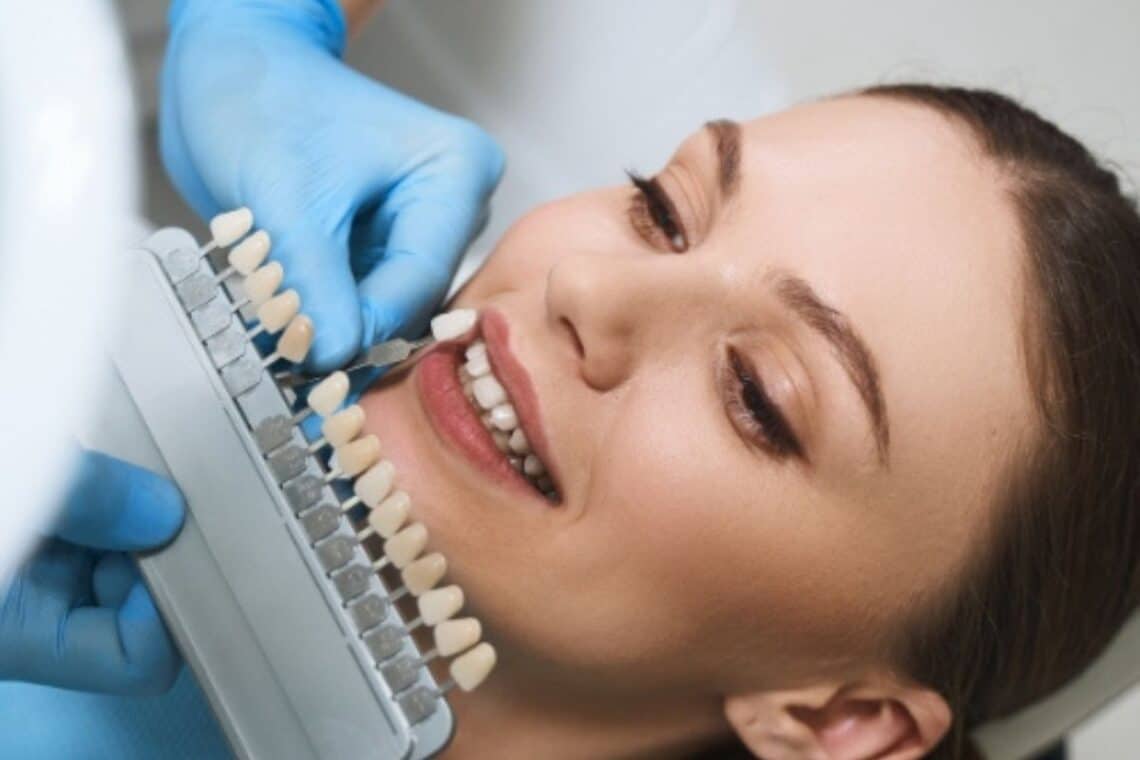
What Makes Sulphur Springs Cosmetic Dentistry Different From General Care?
Dental care has evolved significantly over the years. Today, many patients are not only concerned about oral health but also about the appearance of their smiles. While general dental care focuses on maintaining oral hygiene and preventing disease, cosmetic dentistry focuses on improving the aesthetic appeal of teeth while maintaining function. Understanding the differences between these two approaches helps patients make better decisions about their dental care and smile goals.
Understanding the Purpose of General Dental Care
General dental care focuses on maintaining the health of teeth and gums. Its main goal is prevention and treatment of common dental problems before they worsen.
Typical objectives of general dental care include:
- Maintaining oral hygiene
- Detecting early signs of tooth decay
- Preserving natural tooth structure
- Supporting gum health
- Preventing dental complications
General dental visits typically involve routine exams, oral health assessments, and basic restorative care. The emphasis is primarily on function and long-term dental stability rather than cosmetic enhancement.
While general dental care is essential for maintaining oral health, it may not fully address concerns about tooth appearance, color, alignment, or symmetry.
What Cosmetic Dentistry Focuses On
Some key cosmetic goals include:
- Improving tooth color and brightness
- Enhancing tooth shape and symmetry
- Correcting mild alignment issues
- Closing visible gaps between teeth
- Creating a balanced and natural-looking smile
Cosmetic treatments require precision, aesthetic planning, and careful customization to ensure that results look natural and complement the patient’s facial features.
Personalized Smile Enhancements
One of the major differences between cosmetic and general dental care is personalization. Cosmetic treatments often involve detailed consultations and customized planning.
A cosmetic dentist typically evaluates several factors, including:
- Facial symmetry
- Tooth proportions
- Smile line and lip position
- Tooth color balance
- Overall dental alignment
By considering these elements, the treatment approach focuses on achieving natural-looking results that complement the patient’s unique features.
Patients seeking a cosmetic dentist in Sulphur Springs, TX often prioritize aesthetic improvements alongside oral health, which is why cosmetic dentistry places strong emphasis on individualized treatment planning.
Popular Cosmetic Dentistry Treatments
Cosmetic dental practices typically provide specific treatments designed to enhance smile aesthetics. These procedures focus on visible improvements while preserving the health of natural teeth.
Teeth Whitening
Teeth whitening is one of the most common cosmetic procedures. It helps remove deep stains caused by aging, coffee, tea, or lifestyle habits.
Two common whitening approaches include:
- At-home whitening systems designed for gradual brightening
- Opalescence™ Boost can be completed in two 20 minute applications for a total of 40 minutes of treatment time.
Both options aim to deliver a brighter and more youthful smile while maintaining enamel safety.
Veneers
Dental veneers are thin shells placed on the front surface of teeth to improve appearance.
They are often used to address:
- Discolored teeth
- Minor chips or cracks
- Uneven tooth shape
- Small gaps between teeth
Veneers are customized to blend naturally with surrounding teeth, creating a balanced and attractive smile.
Tooth-Colored Fillings
Unlike traditional metal fillings, tooth-colored fillings are designed to match the natural shade of teeth.
Benefits include:
- Natural appearance
- Seamless blending with surrounding enamel
- Preservation of tooth structure
These fillings restore tooth function while maintaining a discreet, aesthetic result.
Invisalign Aligners for Teeth Straightening
Invisalign aligners offer a modern approach to improving dental alignment. They gradually move teeth into better positions using transparent trays.
Advantages include:
- Nearly invisible appearance
- Removable convenience
- Improved comfort compared with traditional methods
This approach allows patients to improve smile alignment while maintaining daily comfort and flexibility.
Cosmetic Dentistry vs General Dentistry: Key Differences
Below is a quick comparison showing how the two approaches differ.
| Feature | General Dental Care | Cosmetic Dentistry |
|---|---|---|
| Primary Goal | Maintain oral health | Improve smile appearance |
| Treatment Focus | Disease prevention | Smile enhancement |
| Personalization Level | Standardized care | Highly customized |
| Aesthetic Planning | Minimal | Detailed smile design |
| Patient Motivation | Health maintenance | Confidence and aesthetics |
Both types of dental care play important roles. Cosmetic treatments often build upon a healthy dental foundation created through general care.
Why Patients Choose Cosmetic Dentistry
Many people pursue cosmetic dental treatments for reasons beyond appearance.
Common motivations include:
- Increased self-confidence
- Improved smile symmetry
- Professional or social confidence
- Better alignment and comfort
A well-designed smile can significantly influence how people feel about their appearance and how they present themselves in social and professional settings.
Trending FAQs About Cosmetic Dentistry
Patients often search for answers to common cosmetic dentistry questions before scheduling a consultation.
Frequently asked questions include:
- What is the difference between cosmetic and general dentistry?
Cosmetic dentistry focuses on improving the visual appearance of teeth, while general dentistry primarily maintains oral health. - How long does cosmetic dental treatment take?
Treatment timelines vary depending on the procedure and individual dental needs. - Are cosmetic dental procedures safe?
Yes. When performed by experienced dental professionals, cosmetic treatments are designed to protect tooth structure and maintain oral health. - Can cosmetic dentistry improve uneven teeth?
Yes. Treatments such as veneers or invisalign aligners can help create better alignment and symmetry. - How do I know if cosmetic dentistry is right for me?
A consultation allows a dentist to evaluate your goals and recommend appropriate options.
These questions reflect common patient concerns about smile aesthetics and treatment outcomes.
The Role of Modern Technology in Cosmetic Dentistry
Advancements in dental technology have significantly improved cosmetic treatments.
Modern techniques allow dentists to:
- Plan treatments with greater accuracy
- Create natural-looking restorations
- Improve comfort during procedures
- Achieve more predictable smile outcomes
Digital imaging and precision tools help ensure that aesthetic improvements look balanced and natural.
Choosing the Right Cosmetic Dental Provider
Selecting a qualified cosmetic dentist is essential for achieving high-quality results. Patients should look for a professional who prioritizes both aesthetics and oral health.
Key factors to consider include:
- Experience with cosmetic procedures
- Personalized treatment planning
- Natural-looking results
- Patient-centered care
If you are searching for a reliable cosmetic dentist near you, it is important to choose a practice that focuses on customized care and long-term smile health.
Final Thoughts on Cosmetic Dentistry
Cosmetic dentistry continues to grow as more people recognize the importance of a confident smile. Unlike general dental care, cosmetic treatments focus on enhancing appearance while maintaining healthy teeth and gums.
From teeth whitening and veneers to invisalign and tooth-colored restorations, modern cosmetic treatments offer effective ways to improve smile aesthetics with precision and personalization.
A well-designed smile can have a lasting impact on confidence, social interactions, and overall well-being. If you are considering smile improvements, scheduling a professional consultation is the best first step to explore personalized treatment options and long-term dental care. Use: to schedule an appointment.