422 Oak Avenue, Sulphur Springs, Tx 75482

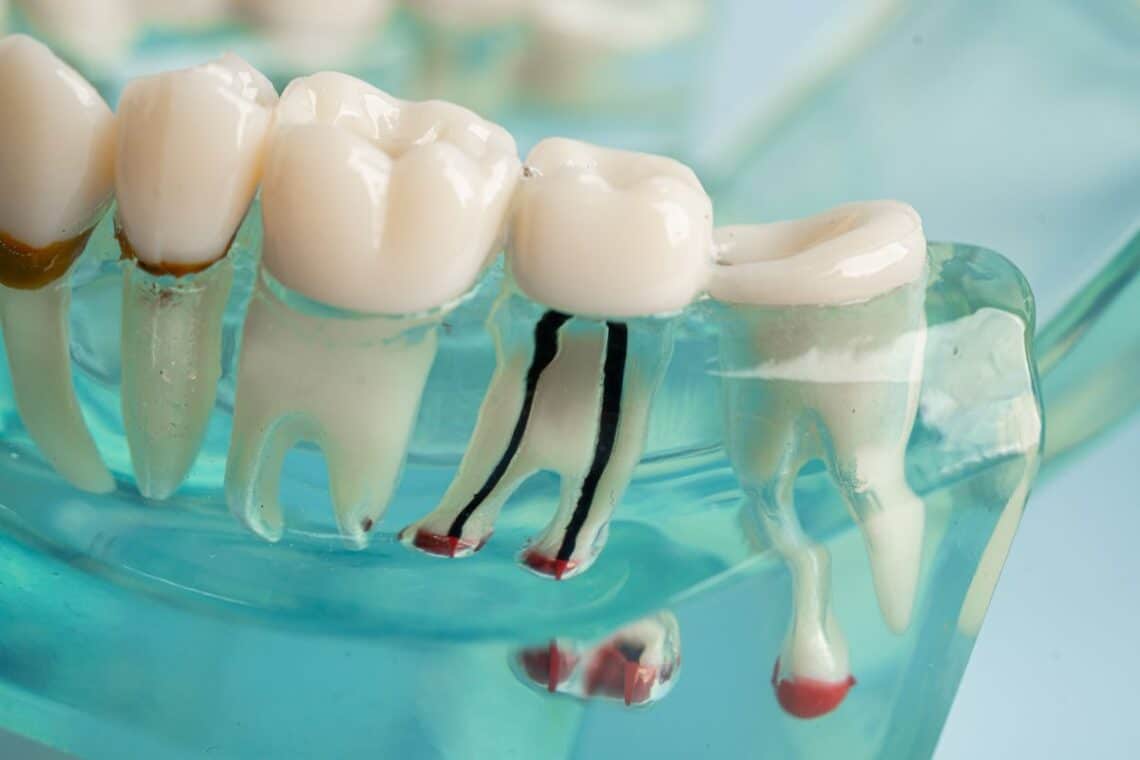
Why Do Some Root Canals Require Multiple Appointments?
Have you ever wondered why a procedure meant to save your tooth sometimes stretches over more than one visit? It’s a common question that pops up when facing dental work. Root canals often get a bad rap, but they’re actually a smart way to handle tooth issues without losing the natural structure. Let’s dive into what makes some cases need extra time, easing any worries along the way.
Understanding Root Canal Therapy
Root canal therapy treats the inner part of a tooth that’s become infected or inflamed. This area, called the pulp, holds nerves and blood vessels. When bacteria sneak in through cracks or decay, it leads to pain and swelling. The goal is to clean out the bad stuff and seal it up to prevent future problems.
Many think of it as a last resort, but it’s often the best choice for keeping your smile intact. Dentists use tools like X-rays to spot the issue early. Catching it soon means less hassle down the line.
The Typical Root Canal Process
Most root canals follow a clear path. First, the dentist numbs the area for comfort. Then, they make a small opening to reach the pulp. Infected tissue gets removed, and the space is cleaned with special files and solutions.
After that, the canal is filled with a rubber-like material to seal it. A temporary filling might go on top until the next step. Finally, a crown or permanent filling protects the tooth long-term.
This process can vary based on the tooth’s condition. Front teeth are simpler, while back ones might need more care.
Reasons for Multiple Appointments
Some root canals wrap up in one go, but others need two or three visits. Why? It often comes down to the tooth’s setup. Molars have multiple roots, making them trickier to clean fully in a single session. Rushing could miss spots, leading to ongoing issues.
Severe infections play a role too. If there’s a lot of swelling or pus, the dentist might place medication inside the tooth during the first visit. This gives it time to calm the infection before sealing. It’s like letting a wound heal a bit before stitching it.
Calcified canals add another layer. Over time, canals can narrow with calcium deposits, slowing the process. The dentist needs extra time to navigate safely without damaging the tooth.
Obstructions, like old fillings or broken tools from past work, might require splitting the treatment. This ensures everything is handled with precision.
Retreatments also often need multiple stops. If a prior root canal didn’t hold up, reopening and recleaning takes careful steps to avoid repeat failures.
In cases of intense pain, breaking it up helps manage discomfort. The first visit focuses on relief, while later ones finish the job.
For those dealing with persistent tooth pain or swelling, knowing these factors can make the experience less daunting. Seeking prompt care, like root canal therapy in Sulphur Springs, TX, helps address the root cause effectively.
Root Canal Success Statistics
Data shows root canals are highly effective. Here’s a quick look at survival rates over time:
| Time Period | Success Rate |
|---|---|
| 10 Years | 93-97% |
| 20 Years | 86-93% |
| 37 Years | Around 81% |
These numbers come from studies tracking thousands of cases. Factors like quick restoration with a crown boost these odds even more.
Addressing Common Concerns
Patients often worry about pain during the procedure. Modern numbing techniques make it feel like a routine filling. Aftercare involves soft foods and avoiding hard bites on the treated side.
Another concern is the tooth’s strength post-treatment. Without the pulp, it can become brittle, so a crown is key for protection. This step might happen at a follow-up visit.
Swelling after the first appointment is normal but usually fades fast. Over-the-counter pain relievers help, and follow-up checks ensure healing is on track.
If you are searching for a endodontist near Sulphur Springs, TX, discussing your symptoms can guide the right approach. This keeps things straightforward and tailored.
Recovery time varies. Most people return to normal activities the next day. Brushing and flossing gently around the area speeds healing.
Trending FAQs on Root Canals
Here are some frequently asked questions based on what people often search for online:
- Why do root canals take 2 visits? It allows thorough cleaning, especially for complex teeth or infections, ensuring better long-term results.
- What are the pros and cons of single-visit vs. multiple-visit root canals? Single visits save time but might not suit severe cases; multiple visits offer more precision but require extra scheduling.
- Can a root canal be done in one day? Yes, for simpler cases like front teeth with mild issues, but molars or infections often need more.
- How long does a root canal appointment last? Each visit typically runs 60-90 minutes, depending on the tooth’s condition.
- What happens if I delay a root canal? The infection could spread, leading to abscesses or tooth loss, so timely care is crucial.
These answers stem from common searches and expert insights.
Tips for a Smooth Experience
Prepare by eating a light meal before your visit, as numbing can last hours. Bring headphones if music helps you relax.
Follow post-care instructions closely. Rinse with saltwater if suggested, and watch for unusual symptoms like prolonged swelling.
Regular check-ups prevent the need for root canals in the first place. Brushing twice daily and flossing keep bacteria at bay.
If you’re prone to anxiety, chat with your dentist about options like sedation. It makes the process easier for everyone.
Understanding the why behind multiple visits turns a daunting task into a manageable one. It shows the care put into saving your tooth.
Feel free to ask questions during your consultation. A good discussion builds trust and clarifies expectations.
In the end, root canals restore function and relieve pain effectively. Taking that step leads to a healthier, more confident smile.
To get started, schedule an appointment today.